Over 1.5 million Muslim pilgrims have arrived in Saudi Arabia for the annual Hajj pilgrimage, despite ongoing war concerns in the region. The pilgrimage, one of the Five Pillars of Islam, officially began on Monday, with pilgrims gathering in the holy city of Mecca. The large turnout comes as a tenuous ceasefire holds in the Iran war, with regional tensions and uncertainty lingering.
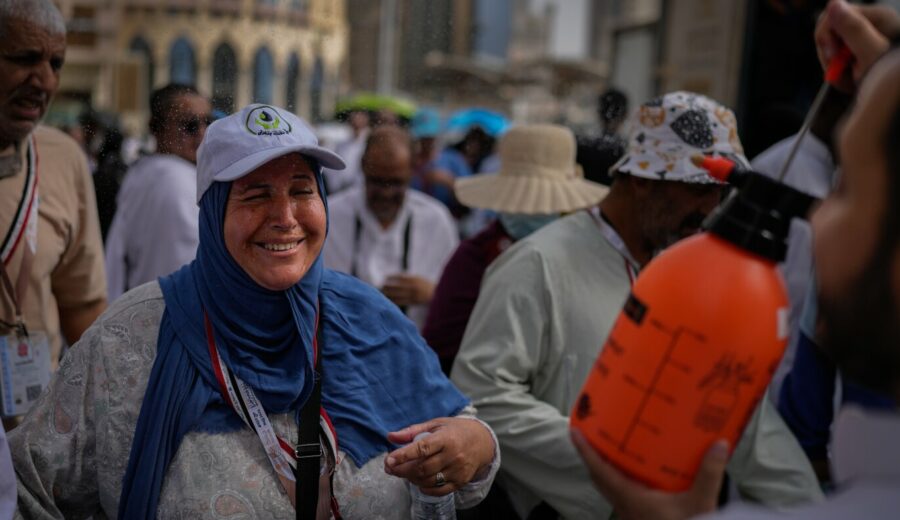
The pilgrims, from diverse backgrounds and countries, have been pouring into Saudi Arabia, with many expressing gratitude for the opportunity to participate in the sacred ritual. Egyptian pilgrim Samya Abdul Moneim said she felt blessed to be in Mecca, describing the experience as “indescribable” and a chance to seek God’s forgiveness.
Hajj Pilgrimage
The Hajj pilgrimage is a deeply spiritual experience for Muslims, who come to Mecca to perform rituals and seek forgiveness. The pilgrims will spend several days performing the Hajj rituals, including circling the Kaaba in the Grand Mosque and camping in the nearby desert. The pilgrimage brings together Muslims from around the world, creating a sense of unity and community.
As the pilgrims brave the intense heat, they are using umbrellas for shade and carrying handheld fans to stay cool. Volunteers are handing out water bottles and using large fans to spray fine mists of water to help the pilgrims stay hydrated. The pilgrimage is a significant event in the Islamic calendar, with many Muslims saving for years to make the journey.
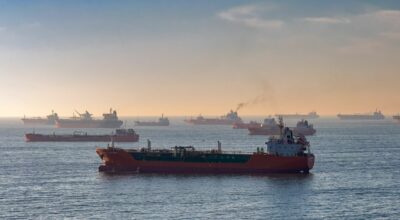
The U.S. government has been involved in efforts to negotiate a deal with Iran, with President Donald Trump announcing that a “Memorandum of Understanding” has been largely negotiated. The deal aims to open the Strait of Hormuz, which has been closed since the U.S. and Israeli attacks on Iran in February.
Global Implications
The Hajj pilgrimage comes at a time of high uncertainty and global concerns, with the conflict in Iran having a significant impact on the world economy. The closure of the Strait of Hormuz has led to a spike in oil and gas prices, with many countries feeling the effects of the energy crisis. The reopening of the strait could help ease the crisis, but a lasting resolution to the conflict remains elusive.
The pilgrimage has also highlighted the importance of contingency planning, with authorities in Indonesia and India taking steps to ensure that pilgrims are able to travel safely and affordably. As the world watches the developments in the region, the Hajj pilgrimage serves as a reminder of the enduring power of faith and community in the face of adversity.