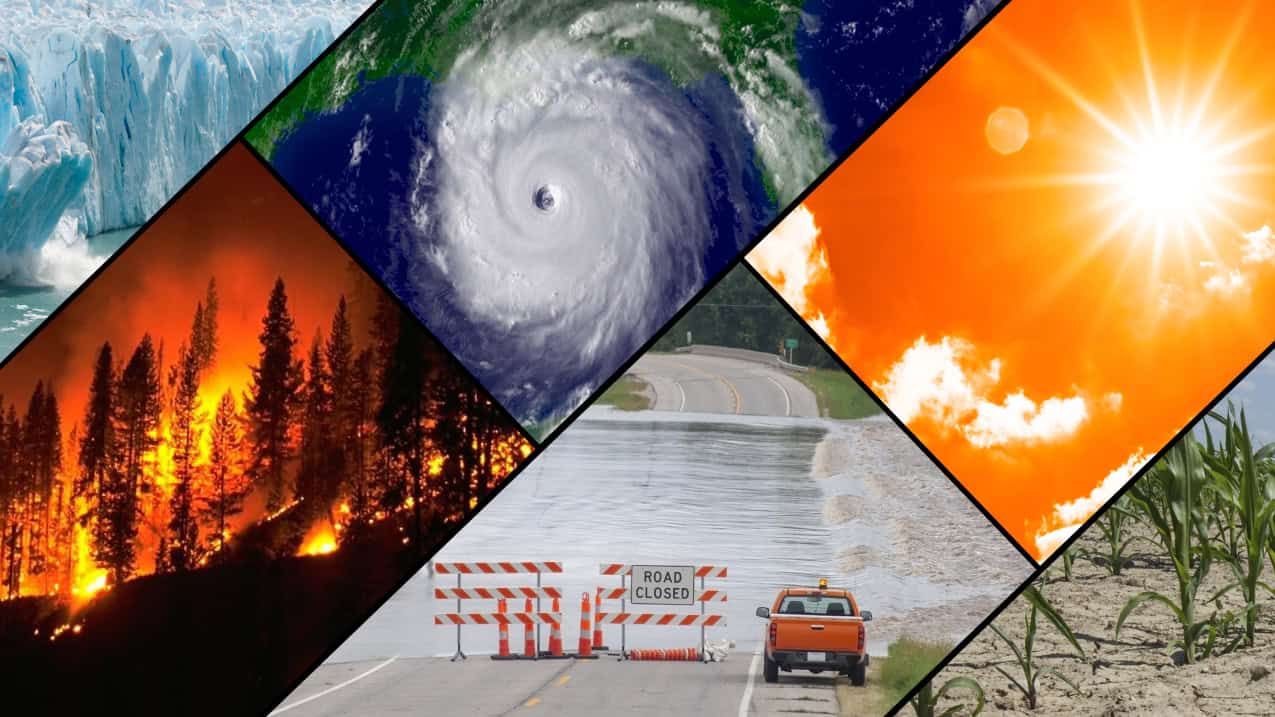
Climate change is driving extreme weather events worldwide, officials say, with rising temperatures and altered ecosystems having far-reaching consequences. This trend is expected to continue, with significant implications for global weather patterns.
According to sources familiar with the matter, climate change is linked to an increase in heatwaves, droughts, and heavy rainfall events, affecting millions of people and causing widespread damage to infrastructure and agriculture. Authorities warn that these events will become more frequent and intense, posing a major threat to human societies and ecosystems.
Climate Change and Global Weather Patterns
Climate change is primarily caused by human activities, such as burning fossil fuels and deforestation, which release large amounts of greenhouse gases into the atmosphere, trapping heat and altering global weather patterns. This, in turn, has a devastating impact on ecosystems, leading to loss of biodiversity, and disrupting food chains and nutrient cycles.
The consequences of climate change are already being felt, with more frequent and severe weather events, such as hurricanes, wildfires, and floods, affecting communities worldwide. Officials are working to develop strategies to mitigate the effects of climate change, including reducing greenhouse gas emissions and promoting sustainable land use practices.
Researchers are also studying the impact of climate change on global weather patterns, using advanced computer models and satellite data to better understand the complex relationships between the atmosphere, oceans, and land surfaces. This research aims to improve weather forecasting and provide early warnings for extreme weather events, helping to save lives and reduce damage to infrastructure and the environment.
Responding to Climate Change
As the impacts of climate change become more apparent, authorities are taking steps to respond to the crisis, including investing in renewable energy, increasing energy efficiency, and promoting sustainable land use practices. Governments, businesses, and individuals must work together to address the root causes of climate change and develop effective strategies to mitigate its effects.
The international community is also playing a critical role in addressing climate change, with global agreements and initiatives aimed at reducing greenhouse gas emissions and promoting sustainable development. Sources familiar with the matter indicate that cooperation and collective action will be essential in addressing the global challenge of climate change.
Ultimately, the fight against climate change requires a fundamental transformation of human societies and economies, with a shift towards sustainable and environmentally conscious practices, and a commitment to protecting the planet for future generations, according to officials.


