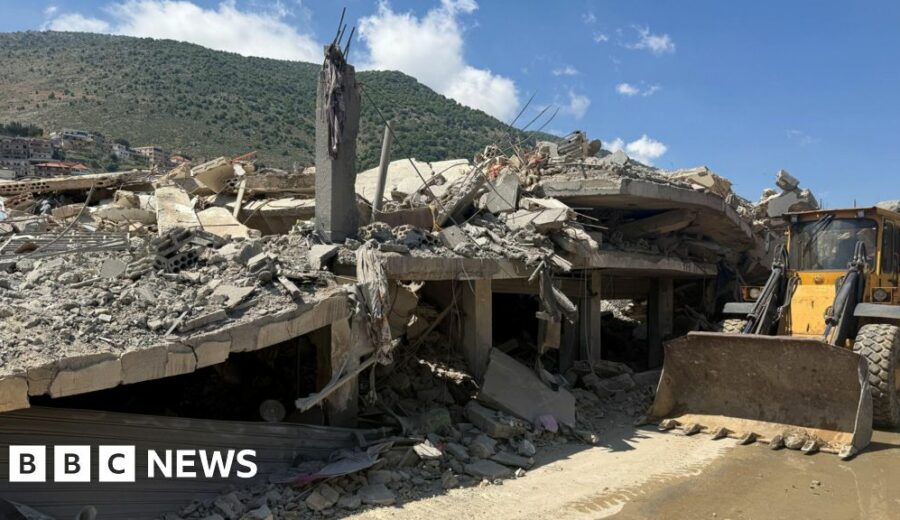
Eleven people, including two children, were killed in the Lebanon village of Mashghara as Israel launched an intensive wave of strikes across southern and eastern Lebanon.
The Israeli military said it hit more than 100 Hezbollah infrastructure sites and fighters, targeting areas where “terrorist activity” was identified, in one of the heaviest nights of bombardment since a US-brokered ceasefire began in mid-April.
Lebanon Conflict Escalation
Israeli Prime Minister Benjamin Netanyahu had vowed to step up military action against Hezbollah, saying he would “press the pedal even harder” in targeting the Iran-backed Shia Muslim group, after a soldier was killed in combat in southern Lebanon on Sunday.
The strikes, which included air and artillery attacks, hit multiple locations across Lebanon, including the Bekaa Valley and southern towns, with the Lebanese health ministry reporting at least 11 deaths and 15 injuries in Mashghara.
Hezbollah has been launching rockets and drones at communities in northern Israel, prompting Israeli retaliation, and the group said it targeted three barracks and a military post in northern Israel “in response to the violation of the ceasefire” by Israel.
Regional Implications
The escalation in violence threatens to derail ongoing talks to end the war between the US, Israel, and Iran, with the ceasefire repeatedly violated by both sides, and the Israeli military issuing new evacuation orders across Lebanon, accusing Hezbollah of breaching the terms of the ceasefire.
The conflict has already resulted in significant loss of life, with the Lebanese health ministry reporting at least 3,185 deaths from Israeli strikes since the conflict began on March 2, and 23 Israeli military losses, as well as one civilian contractor.
The situation remains volatile, with Israel and Hezbollah engaged in a cycle of retaliation, and the international community watching closely as the conflict continues to escalate, with broader implications for regional stability and global security.