Iran’s Islamic Revolutionary Guard Corps launched a retaliatory strike against an American air base in the region, following fresh US strikes on southern Iran. The IRGC did not disclose the base’s location, but Kuwait, which hosts a US base, reported intercepting “hostile missile and drone threats”.
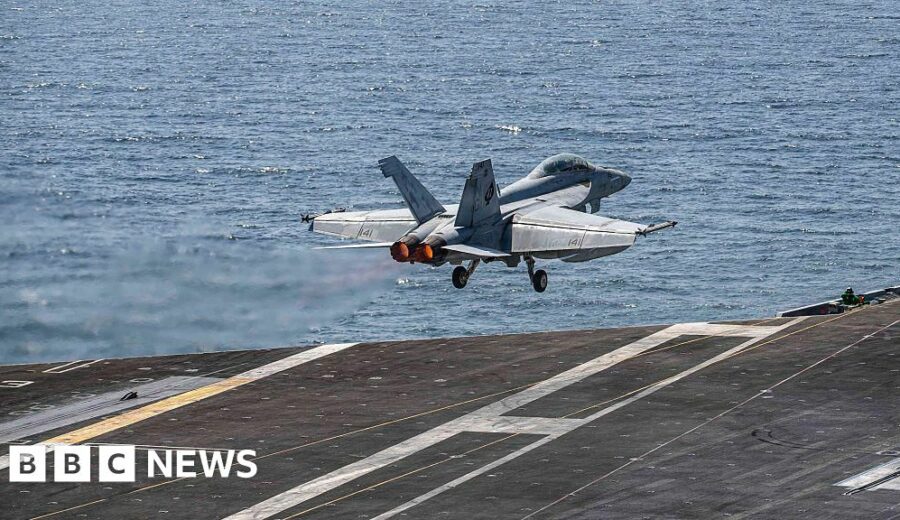
The US military had earlier shot down Iranian drones over the Strait of Hormuz and struck a military site in Bandar Abbas, a strategic port city. This marks the second time in three days that the US has attacked targets in Iran, citing self-defense as the reason. The site in Bandar Abbas was struck as it was preparing to launch a fifth drone, according to US Central Command.
Iran US Conflict
The renewed hostilities threaten a fragile ceasefire between the US and Iran. Iranian media reported explosions heard to the east of Bandar Abbas, while Centcom described its actions as “measured, purely defensive, and intended to maintain the ceasefire”. The IRGC said it had targeted an American air base “that served as the source of the attack” on Bandar Abbas.
Iranian foreign ministry spokesman Esmail Baqai condemned the US strikes, calling them a violation of the ceasefire. He warned that Iran would “take all necessary measures to defend its national sovereignty”. The US also imposed sanctions on the “Persian Gulf Strait Authority”, the Iranian body tasked with collecting payments from ships traveling through the Strait of Hormuz.
The conflict has impacted global fuel trade, with one-fifth of the world’s liquefied natural gas and oil normally passing through the shipping channel. US Treasury Secretary Scott Bessent described Iran’s actions as an attempt to “extort global maritime trade” and proof that Iran is “desperate for cash”.
Future Implications
Protracted negotiations have been taking place to end the three-month war, which has choked traffic in the Strait of Hormuz and caused global energy prices to rise. US President Donald Trump said that Iran is “negotiating on fumes” and that his war strategy will not be impacted by November’s US midterm elections. The president has threatened to resume a large-scale bombing campaign if Iran does not agree to his terms.
The conflict has significant implications for global energy markets and regional stability. As tensions between the US and Iran continue to escalate, the international community is watching closely, hoping for a peaceful resolution to the conflict. The situation remains volatile, with the potential for further violence and disruption to global trade.