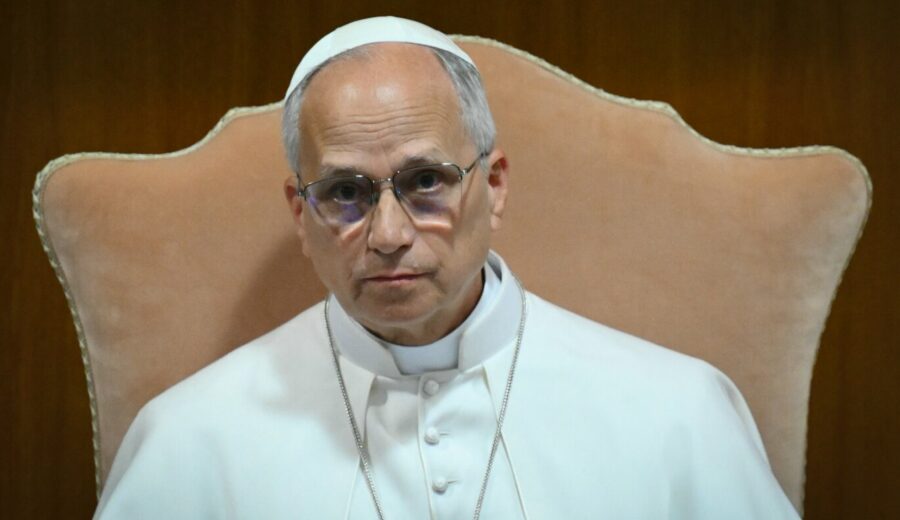
Pope Leo XIV has issued a stark warning about the dangers of Artificial Intelligence, calling for it to be “disarmed” in his first encyclical, “Magnifica Humanitas”, presented at the Vatican on May 25, 2026.
The Pope’s encyclical compares the rise of AI to the biblical story of the Tower of Babel, cautioning against human hubris and emphasizing the need for AI to serve humanity, not the other way around. He welcomes AI’s potential benefits in medicine, research, and education, but expresses concern about its impact on jobs and human relationships.
Humanity in the Age of AI
Pope Leo argues that work gives human beings a sense of purpose and that the pursuit of profits cannot justify sacrificing jobs. He also emphasizes that AI systems lack the human perspective, and while they can simulate empathy and understanding, they do not truly comprehend what they produce.
The Pope’s encyclical highlights the risks of relying on AI for human connection, warning that it can create the illusion of relationships and exploit vulnerable individuals. He urges us to consider whether AI will enrich not just economies, but all of humanity.
At the heart of the Pope’s message is a call to prioritize human dignity and the common good in the face of rapid technological change. As the world grapples with the implications of AI, Pope Leo’s encyclical serves as a reminder of the importance of preserving our shared humanity.
Implications and Reactions
The Pope’s words are likely to resonate with those concerned about the impact of AI on society, from job displacement to the erosion of human relationships. As the world continues to debate the role of AI, Pope Leo’s encyclical offers a powerful perspective on the need for responsible innovation and a commitment to human values.
The question posed by the Pope’s encyclical – whether human beings will use AI to enrich all of humanity – is a pressing one, with far-reaching implications for our collective future. As we navigate the complexities of AI, we must consider the Pope’s warning and strive to create a world where technology serves humanity, rather than the other way around.