Hundreds of thousands of mourners gathered in Tehran for the second day of funeral ceremonies for Iran’s slain supreme leader, Ayatollah Ali Khamenei, with some calling for the death of President Trump.
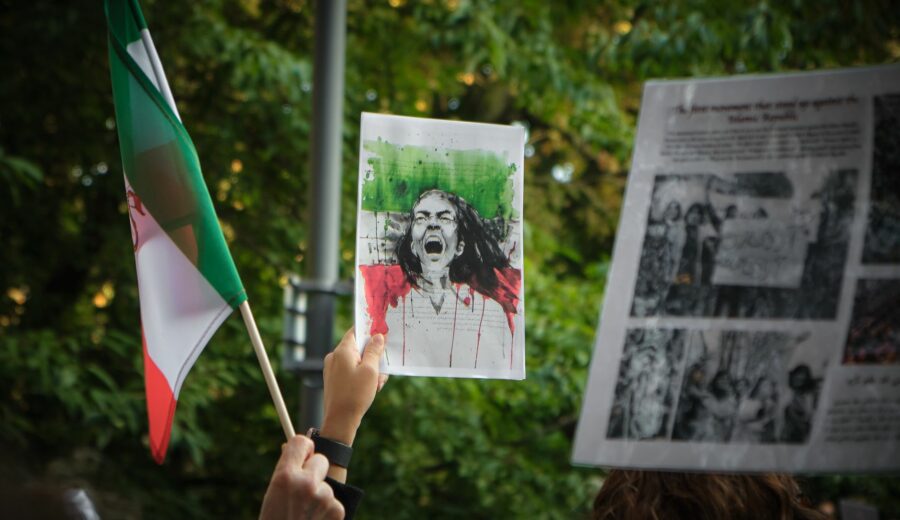
The crowds, dressed in black, walked to the funeral site, carrying banners and flags honoring Khamenei and demanding revenge against the US and Israel. A performer at the funeral called for Trump’s death, drawing cheers from the crowd.
Iran Supreme Leader Funeral
Iran’s top officials, including the brothers of the late supreme leader, attended the funeral prayers, a significant show of public support in a country still reeling from the loss of its leader. The new supreme leader, Ayatollah Mojtaba Khamenei, remains in hiding after reportedly being wounded in the airstrike that killed his father.
The funeral has seen posters and graffiti calling for the killing of Trump and Israeli Prime Minister Benjamin Netanyahu, a hard-line demand even as Tehran negotiates with the US over a permanent end to the war. The Iranian ambassador to China announced new fees would be charged to ships transiting the Strait of Hormuz, an idea rejected by the US.
The Iranian government has declared Sunday a public holiday, and the funeral ceremonies will continue on Monday with processions through the capital. The powerful Iranian Revolutionary Guards are in charge of the ceremonies, which have drawn huge crowds to pay their final respects to Khamenei.
Implications and Reactions
The calls for Trump’s death and the ongoing tensions between the US and Iran have significant implications for global security and energy supplies. The US has rejected Iran’s plan to charge fees to ships transiting the Strait of Hormuz, a vital waterway for international trade.
The situation remains volatile, with Israel threatening to kill the new supreme leader and Iran negotiating with the US over a permanent end to the war. The outcome of these negotiations will have far-reaching consequences for the region and the world, as the US and Iran work to find a lasting solution to their conflict.
The ongoing crisis in Iran serves as a reminder of the complex and delicate nature of international relations, where the actions of one country can have far-reaching consequences for the entire world.