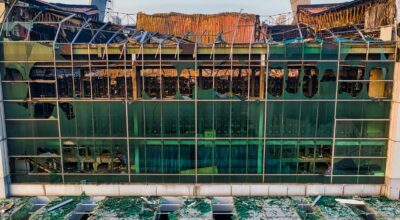
At least 39 people have been killed in a new wave of Israeli airstrikes in Lebanon, according to the country’s health ministry. The deadliest strike hit the southern town of Saksakiyeh, killing seven people, including a child. The Israeli military said it was targeting Hezbollah, a Lebanese armed group.
The strikes are part of an escalating conflict between Israel and Hezbollah, with both sides trading fire despite a ceasefire deal announced by US President Donald Trump on April 16. Most of the Israeli airstrikes have hit southern Lebanon, with the military saying it is targeting infrastructure and people linked to Hezbollah.
Lebanon Conflict
The Lebanese health ministry reported that another Israeli strike on a motorbike in Nabatieh hit a Syrian national and his 12-year-old daughter. The girl was undergoing life-saving surgery after being targeted by a drone. The ministry said that Israeli attacks have killed more than 120 people across the country in the last week, including women and children.
Hezbollah has also carried out attacks on Israeli troops in Lebanon and northern Israel with rockets and drones. The group said it targeted northern Israel with a drone on Saturday in response to continued Israeli attacks. The Israeli military said it had identified an explosive drone launched by Hezbollah near the border in the north, injuring three army reservists.
The conflict has raised concerns about potential war crimes, with rights groups saying that some cases could amount to such offenses. The Israeli military has occupied a strip of Lebanese land along the border, aiming to create a Hezbollah-free security zone to protect Israel’s northern communities.
Regional Implications
The conflict has significant implications for the region, with the potential to draw in other countries. The US has been involved in the conflict, with President Trump announcing a ceasefire deal between Israel and Lebanon. However, the continued violence has raised questions about the effectiveness of the deal.
The conflict has also had a significant humanitarian impact, with thousands of people killed or displaced. The Lebanese health ministry has reported that a total of 2,795 people have been killed in Lebanon since March 2, while Israeli authorities have said that 17 soldiers and one civilian have been killed in southern Lebanon.
The ongoing conflict in Lebanon is a reminder of the complex and volatile nature of the region, where longstanding tensions and conflicts continue to simmer. The latest escalation is a sobering reminder of the need for a lasting and peaceful resolution to the conflict.