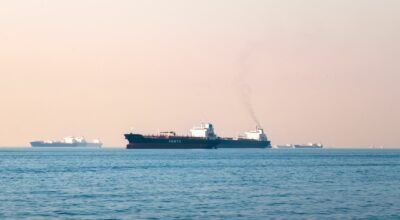
President Trump has scrapped a plan to charge ships a 20% fee for protected transit through the Strait of Hormuz, a key waterway in the Middle East. The decision comes as the US prepares to impose a blockade on Iran, which will restrict ships entering or exiting Iranian ports. The move is part of escalating tensions between the US and Iran, with both sides conducting strikes and retaliatory attacks.
The US military has begun enforcing the blockade, with the goal of preventing Iranian ships or customers from entering or leaving the country. The US has also launched strikes on Iranian targets, aiming to degrade Iranian capabilities used to attack commercial shipping in the Strait of Hormuz. Iran has responded with its own attacks, including striking two supertankers in the Strait of Hormuz and launching missiles and drones against US military infrastructure in Bahrain and Jordan.
Strait of Hormuz Blockade
The blockade is a significant escalation of the conflict between the US and Iran, with the potential to disrupt global trade and increase fuel prices. The Strait of Hormuz is a critical waterway, with roughly 20% of the world’s energy supplies passing through it. The US sees the strait as an international waterway, while Iran has asserted its control over the area and has been attacking ships that do not comply with its orders.
The US has urged mariners approaching the Gulf of Oman and Strait of Hormuz to contact US naval forces for guidance. The US military has also warned that it will take action to protect commercial shipping in the area. The situation remains volatile, with the potential for further escalation and conflict.
Iranian Foreign Minister Abbas Araghchi has said that Iran is in touch with mediators, including Oman, Qatar, and Pakistan, in an effort to de-escalate the situation. However, the status of negotiations with the US is unclear, and the US has declared the ceasefire between the two countries “over”.
Global Implications
The conflict between the US and Iran has significant implications for global trade and energy prices. The disruption to shipping in the Strait of Hormuz has already led to increased fuel prices and decreased trade volumes. The situation is being closely watched by countries around the world, with many calling for a peaceful resolution to the conflict.
The US and Iran have been engaged in a series of escalating attacks and retaliatory strikes, with the potential for further conflict. The situation remains volatile, and the international community is urging both sides to seek a peaceful resolution. The broader significance of the conflict lies in its potential to disrupt global trade and energy markets, with far-reaching consequences for the global economy.