A recent US Supreme Court decision has put the historic congressional seat of Representative Shomari Figures at risk, threatening the representation of Tuskegee, Alabama, a predominantly African American city with high poverty rates and limited access to healthcare and emergency services.
Figures, the first black person to represent Tuskegee in Congress, had secured $1 million in federal funds to build a civic center in the city, which would serve as a fallout shelter and house the police and fire departments. However, the Supreme Court’s ruling has allowed Republican-led states to redraw congressional maps, potentially erasing majority-black districts like Figures’.
Voting Rights and Redistricting
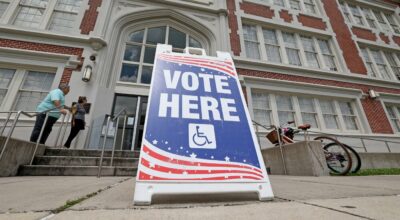
The Supreme Court’s decision struck down a part of the Voting Rights Act that protected minority voters’ representation in Congress. This has enabled states to redraw congressional maps, which could shift the balance of power in Congress and impact the representation of minority communities like Tuskegee.
Tuskegee Mayor Chris Lee expressed concern about the potential loss of representation, stating that the city relies heavily on federal funding to address its issues. With Figures’ seat now at risk, the city’s residents and officials fear they may lose out on crucial funding and support.
Research shows that roughly 83% of black voters support the Democratic Party, while non-Hispanic white voters are more likely to lean Republican. This demographic shift could significantly impact the outcome of the midterm elections and the representation of minority communities.
Implications and Reactions
The potential loss of Figures’ seat has sparked concern among residents and city officials, who fear that the city’s issues will be overlooked without a representative who has their back. Mayor Lee emphasized the importance of having a representative who can secure federal funding to address the city’s poverty, healthcare, and emergency services.
The Supreme Court’s ruling has broader implications for the representation of minority communities across the US South, where Republican-led states are redrawing congressional maps to favor their party. This could lead to a shift in the balance of power in Congress and impact the agenda of President Donald Trump.