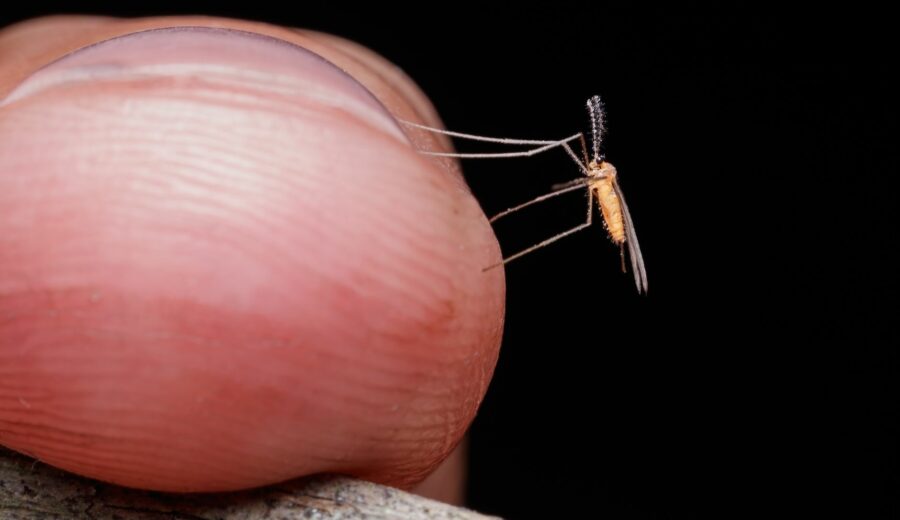
Over 600,000 mosquitoes are being intentionally released in the Washington DC area this summer. The male mosquitoes, infected with the bacteria Wolbachia, are part of a unique pest control effort to reduce local mosquito populations. This method is significant because the released mosquitoes do not bite humans and prevent any eggs produced after mating from hatching.
The company behind this initiative, Bee Safe Mosquito Control, is the first business in the US to offer this service directly to residents. Typically, only local government mosquito control districts, public health agencies, or research partnerships have undertaken such efforts. The release of Wolbachia-infected mosquitoes is gaining popularity, with other major players, including Alphabet, Google’s parent company, seeking approval to release millions of these mosquitoes in California and Florida.
Mosquito Control Efforts
The method involves releasing only male mosquitoes, which do not bite humans, to mate with female mosquitoes. The Wolbachia bacteria they carry prevents any eggs produced after mating from hatching, effectively reducing the mosquito population over time. This approach is seen as a more targeted and environmentally friendly alternative to traditional pest control methods.
Climate change has created more favorable conditions for mosquitoes to survive and reproduce, increasing concerns about the spread of mosquito-borne diseases. The release of Wolbachia-infected mosquitoes is part of a broader effort to combat this growing public health concern. As the US experiences more frequent and severe mosquito-borne disease outbreaks, innovative solutions like this are becoming increasingly important.
Implications and Future Directions
The success of this initiative in Washington DC could have significant implications for mosquito control efforts nationwide. If proven effective, this method could be adopted in other areas, providing a new tool in the fight against mosquito-borne diseases. With climate change expected to continue exacerbating the mosquito problem, innovative solutions like the release of Wolbachia-infected mosquitoes will play a critical role in protecting public health.
The release of these mosquitoes is not only a unique approach to pest control but also a testament to the growing need for innovative solutions to address the challenges posed by climate change. As the US continues to experience the impacts of a changing climate, efforts like this will be crucial in mitigating the effects on public health.


