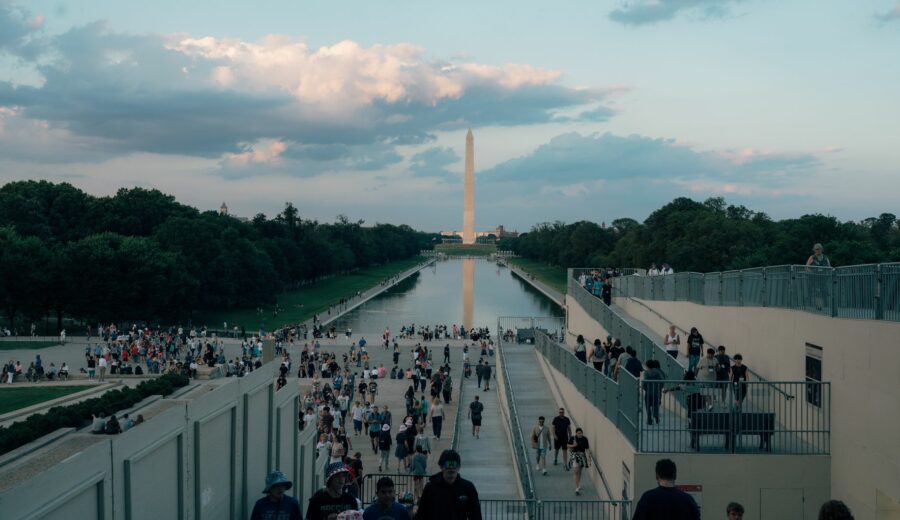
President Trump is at odds with U.S. Attorney Jeanine Pirro over the cause of damage to the Lincoln Memorial Reflecting Pool, which has been drained of water and is awaiting repairs. Trump and Interior Secretary Doug Burgum are disputing Pirro’s claim that contractors were responsible for the damage. The Reflecting Pool, a iconic landmark in Washington D.C., has been a source of contention in recent days.
The pool’s damage has sparked a heated debate, with Pirro’s conclusion being rejected by the Trump administration. The incident has raised questions about accountability and the management of national landmarks. The Reflecting Pool is a popular tourist destination and a symbol of American history.
Reflecting Pool Controversy
The controversy surrounding the Reflecting Pool has highlighted the challenges of maintaining and preserving national landmarks. The Trump administration has faced criticism for its handling of the situation, with some arguing that the damage could have been prevented. The incident has also sparked a wider conversation about the importance of preserving American history and cultural heritage.
The Lincoln Memorial Reflecting Pool is a beloved landmark in Washington D.C., attracting millions of visitors each year. The pool’s damage has not only affected its aesthetic appeal but also raised concerns about the potential impact on the surrounding ecosystem. As the repair work begins, many are waiting to see how the situation will be resolved.
Implications and Next Steps
The clash between Trump and Pirro has significant implications for the Trump administration, highlighting potential divisions and disagreements within the government. The incident has also raised questions about the role of contractors in maintaining national landmarks and the need for greater accountability. As the situation unfolds, it remains to be seen how the Trump administration will address the damage and prevent similar incidents in the future.
The Reflecting Pool controversy serves as a reminder of the importance of preserving and protecting America’s cultural and historical heritage. The incident has sparked a wider conversation about the need for effective management and maintenance of national landmarks, ensuring that these iconic sites are preserved for future generations. The situation will likely have broader significance, as it highlights the challenges of balancing preservation and conservation with the need for modernization and development.