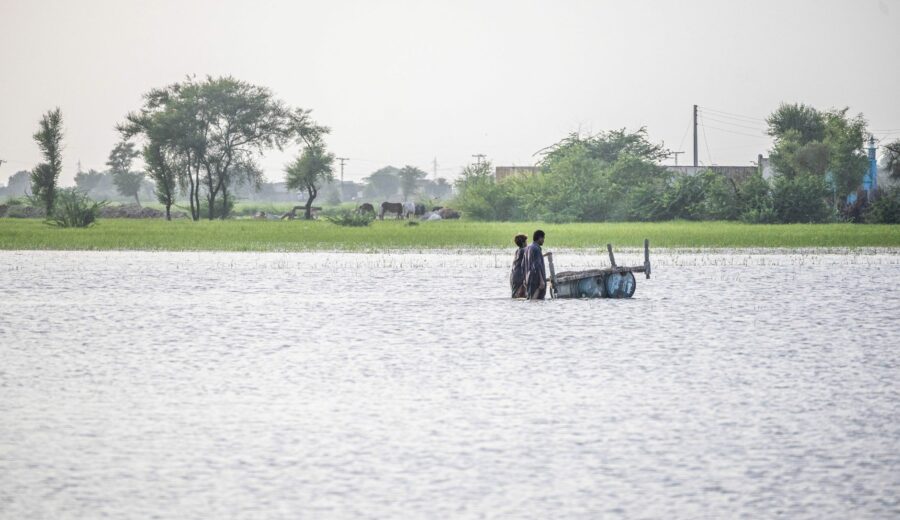
The death toll from severe flooding in India’s Assam state has risen to 100, with thousands more displaced and losing their homes. Two additional deaths were reported overnight, according to officials. The region’s flood crisis remains critical, with several rivers still above danger levels.
Heavy monsoon rains have caused widespread flooding, disrupting livelihoods and damaging infrastructure. The Brahmaputra River, one of Asia’s largest, has overflowed, sweeping away homes and forcing nearly 300,000 people into government-run relief camps. The floods, which began last month, have displaced over 700,000 people and submerged vast stretches of farmland.
Assam Floods
The floods have had a devastating impact on rural communities, with large numbers of cattle lost and concerns about disease outbreaks rising. As floodwaters recede, many families are returning to homes buried under thick layers of silt, adding to the challenges of recovery. Authorities are working to assess the extent of the damage and provide aid to affected populations.
Relief efforts are underway, with officials distributing roofing sheets and other building materials to displaced families. The government has directed officials to complete damage assessments as soon as possible, so financial assistance can be provided for rehabilitation. Some 50,000 affected people have already received interim monetary compensation.
The annual monsoon season frequently triggers flooding in Assam, but experts say human-caused climate change is intensifying the region’s monsoons. The rains, once predictable, now arrive in erratic bursts, dumping extreme amounts of water in short periods, followed by dry spells.
Flood Relief and Recovery
As the region begins to recover, officials are working to provide support to affected communities. The government has established relief camps and distribution centers to provide aid to those in need. The floods have highlighted the need for improved infrastructure and disaster preparedness in the region.
The impact of the floods will be felt for months to come, with many families struggling to rebuild their lives. The disaster has also raised concerns about the long-term effects of climate change on the region and the need for sustainable solutions to mitigate its impacts.