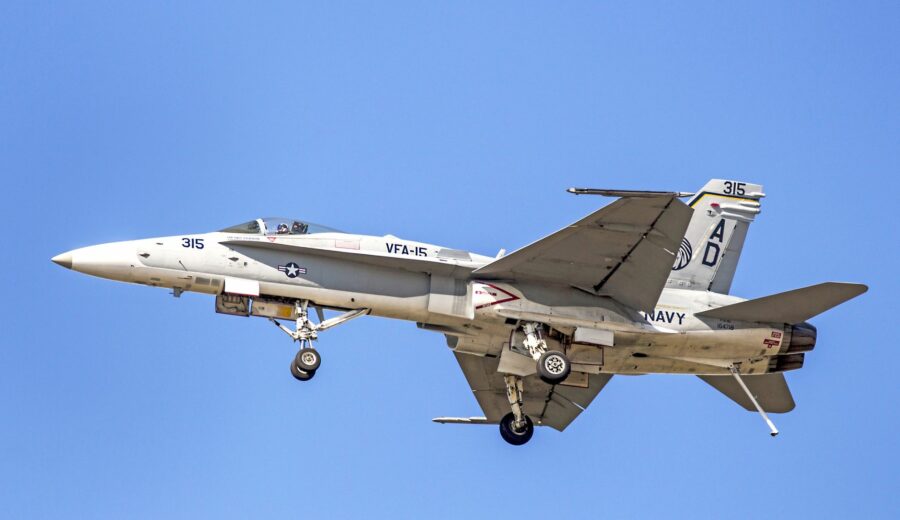
Thousands of US sailors on the USS Abraham Lincoln have been facing severe hardships, including food shortages, broken plumbing, and exhaustion, after being at sea for over 250 days. The aircraft carrier’s prolonged deployment has raised concerns among lawmakers, who are demanding answers from the Pentagon. Reports of poor conditions have led to worries about the mental health of the crew, with some sailors even considering jumping overboard.
The USS Abraham Lincoln, which has around 5,000 people on board, was initially deployed to the South China Sea in November and was later sent to the Middle East. The deployment, which was supposed to end in May, has been extended repeatedly, with no return date announced. Senator Richard Blumenthal has written to Defence Secretary Pete Hegseth, listing the reported hardships on the carrier, including shortages of basic supplies, water contamination, and disruptions in the mail system.
Life on the USS Abraham Lincoln
The crew’s living conditions have been severely impacted, with reports of not being able to clean laundry for over a week and limited access to fresh food. The Navy has acknowledged that “traditional supply hubs” have been disrupted, but claims to be prioritizing the delivery of “mission-critical supplies” to the ship. Despite this, Defence Secretary Hegseth has downplayed the reports of poor conditions, calling them “completely misrepresented”.
The situation on the USS Abraham Lincoln has sparked concerns about the Navy’s ability to sustain its operational tempo. Senator Ruben Gallego has called for a congressional delegation to visit the ship to conduct an oversight investigation. The incident has also raised questions about the impact of prolonged deployments on the mental health of sailors.
Reactions and Implications
The reports of harsh conditions on the USS Abraham Lincoln have led to a backlash against the Trump administration, with critics arguing that the government is not doing enough to support its military personnel. The incident has also highlighted the challenges faced by the US military in maintaining its presence in the Middle East. As the US prepares to replace the USS Abraham Lincoln with the USS George Washington, questions remain about the long-term impact of prolonged deployments on the Navy’s personnel and equipment.
The US military’s ability to care for its personnel is a critical aspect of its operations, and the situation on the USS Abraham Lincoln serves as a reminder of the sacrifices made by sailors and their families. The incident has sparked a broader conversation about the need for the US military to prioritize the well-being of its personnel, both at home and abroad.