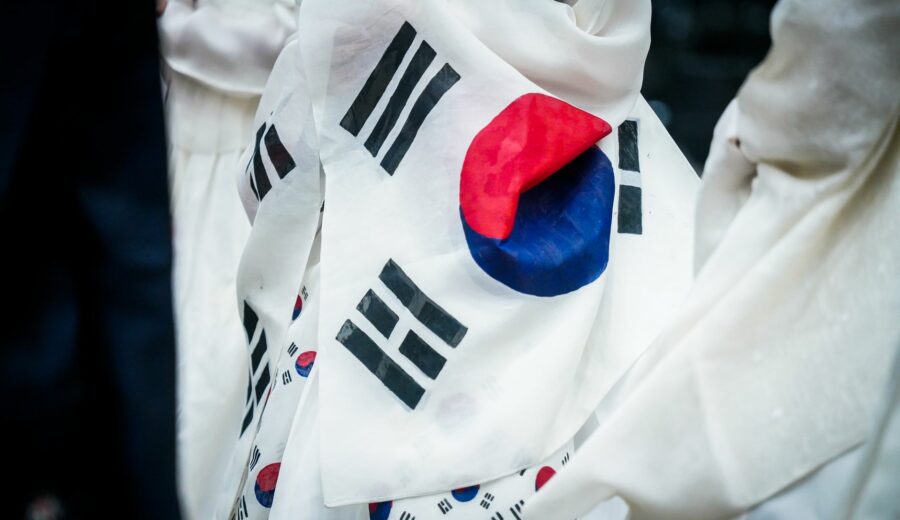
President Donald Trump announced the US will “substantially reduce” joint military exercises with South Korea, citing his relationship with North Korea’s leader Kim Jong Un. The decision comes after South Korea declined to join the US in efforts related to Iran. Trump stated that the exercises are costly and send an “inappropriate and hostile” signal.
The announcement was made on social media, where Trump noted that the drills were set to begin on Monday. South Korea had previously stated that the exercises would proceed as scheduled. The reduction in drills may impact the US-South Korea alliance, with experts warning that it could damage coordination and weaken deterrence against potential conflicts in Asia.
US-South Korea Military Drills
The joint military exercises, known as Ulchi Freedom Shield, were scheduled to involve around 18,000 South Korean soldiers. US military leaders had previously stated that the exercises would account for the threat posed by North Korean soldiers returning from Ukraine. The drills have been a point of contention with North Korea, which has condemned them as a “rehearsal for an aggressive war”.
Trump’s decision to reduce the drills is not without precedent, as he suspended the exercises entirely in 2018 during denuclearization negotiations with Kim. The move is seen as a mixed message for South Korea, which has been requesting that Trump engage with Pyongyang. However, Trump’s post also expressed displeasure with South Korea’s unwillingness to contribute to US efforts related to Iran.
Implications and Reactions
Experts warn that the reduction in drills could have significant implications for the US-South Korea alliance. Leif-Eric Easley, a professor at Ewha University in Seoul, stated that the exercises are essential for military forces to be ready and capable of doing their jobs. The cost savings from downsizing drills are seen as marginal, while the diplomatic benefits for relations with North Korea are doubtful.
The decision is likely to be seen as a significant development in the region, with potential implications for the balance of power in Asia. The reduction in drills may also impact the US’s ability to deter potential conflicts, and could have broader implications for global security. As the situation continues to unfold, it remains to be seen how the reduction in drills will impact the US-South Korea alliance and the region as a whole.