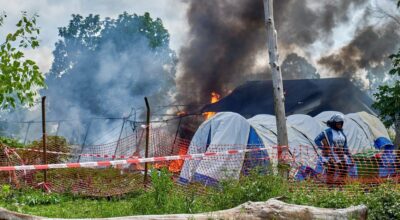
At least 136 people are believed to have died from the Ebola virus in the Democratic Republic of Congo, with 514 suspected cases reported as of Tuesday. The outbreak, caused by the Bundibugyo strain of Ebola, has spread to several areas, including the gold-mining towns of Rwampara and Mongwalu, as well as the cities of Butembo and Goma.
The Congolese Health Minister, Dr. Samuel Roger Kamba, has acknowledged that health teams are playing catch-up with the virus, which may have been circulating undetected before the first reported case on April 24. The presumed patient zero is a nurse who died in the provincial capital Bunia.
Ebola Outbreak
The Bundibugyo strain of Ebola has caused only two outbreaks before, in 2007 and 2012, and is known to have a lower mortality rate than the Zaïre species, which is more common in the region. However, the symptoms of Bundibugyo can be less obvious, leading to delayed diagnosis and allowing the virus to spread silently.
In some areas, deaths were initially attributed to witchcraft, rather than illness, due to a lack of awareness about the virus. International charity Save the Children has warned that the spread of the virus into large urban centers presents serious challenges, and that the limited testing available in the province was not detecting the Bundibugyo strain.
Residents in affected areas are calling for more to be done to curb the spread of the virus, including the establishment of fully operational Ebola treatment centers. Currently, none of the major cities in the region have such a center, despite the large population and high risk of infection.
Response and Implications
The outbreak has sparked fear and concern among local residents, with many feeling that progress to curb the spread of the virus has been slow. The lack of basic public health measures, such as avoiding handshakes and regular handwashing, is also a major concern, particularly in urban areas where the virus can spread quickly.
The outbreak has significant implications for the region, which is already struggling with conflict and poverty. The spread of the virus into large urban centers poses a major challenge for health officials, and the lack of awareness and resources in affected areas is exacerbating the situation.
The Ebola outbreak in the Democratic Republic of Congo is a stark reminder of the need for improved healthcare infrastructure and emergency preparedness in the region, and the importance of international cooperation and support in responding to public health crises.