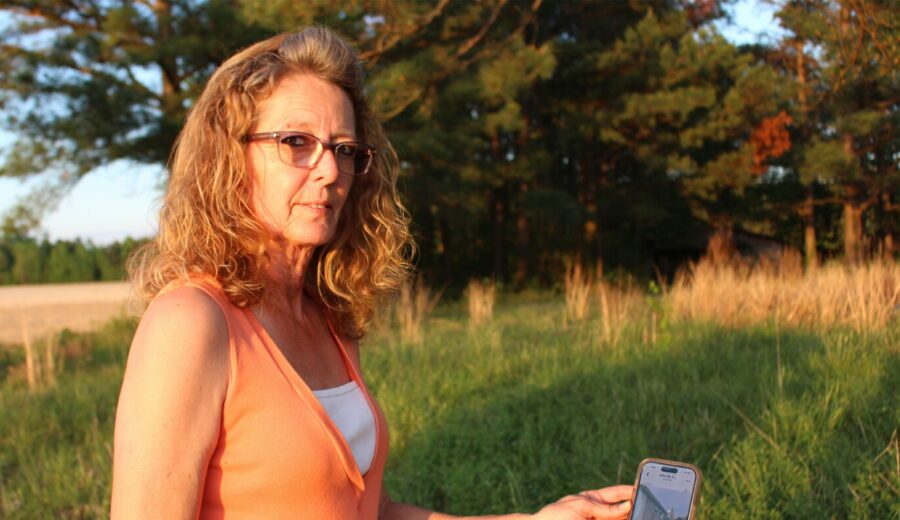
A heart-wrenching story is unfolding in Martin County, North Carolina, where a local hospital’s closure has left residents wondering if lives could have been saved with better emergency services. Debra Pierce’s brother, Stanley Sears, died of a heart attack in 2024, and she believes that if their local hospital hadn’t closed the year before, he might still be alive.
The hospital’s closure has exposed the gaps in the $50 billion rural health fund, which was meant to strengthen support for rural healthcare. Martin County, with a population of around 22,000, is now struggling with limited emergency services, including no paramedics on its ambulances and overcrowded emergency rooms in neighboring towns.
Rural Health Fund
The rural health fund, part of President Trump’s signature tax and spending measure, was intended to shore up critical rural health services across America. However, the fund’s limitations are becoming apparent, and it may not provide the direct relief that Martin County needs. The county’s hospital is not eligible for funding because it’s not operational, and federal regulators have set limits on construction and renovation spending.
County Manager Drew Batts expressed concerns that the $50 billion fund will not address the county’s specific needs, saying it won’t help reopen the shuttered hospital. Instead, North Carolina will distribute the money among existing health and social service organizations.
Martin County is considering alternative solutions, including spending $1.5 million to create two higher-level paramedic units with advanced lifesaving equipment. Debra Pierce is praying that the county can add paramedics and reopen the hospital, saying “there’s some answered prayers happening every day.”
Future Implications
The story of Martin County highlights the challenges faced by rural communities in accessing quality healthcare. The closure of the local hospital has left residents vulnerable, and the limitations of the rural health fund have raised questions about the effectiveness of the funding. As the county struggles to find solutions, the incident serves as a reminder of the need for sustainable and reliable healthcare services in rural America.
The incident has also sparked a debate about the role of government funding in supporting rural healthcare. With the rural health fund’s limitations becoming apparent, it remains to be seen how the government will address the ongoing healthcare crisis in rural communities. The story of Debra Pierce and her brother Stanley Sears serves as a poignant reminder of the human cost of inadequate healthcare services.