The World Health Organization has raised its alert over the Ebola outbreak in the Democratic Republic of Congo, warning that the virus is spreading rapidly and poses a “very high” risk at the national level. WHO Director-General Tedros Adhanom Ghebreyesus announced the increased risk assessment on Friday, citing 82 confirmed cases and seven confirmed deaths, with nearly 750 suspected cases and 177 suspected deaths from the virus.
The outbreak is centered in northeastern Congo, where authorities have banned funeral wakes and gatherings of more than 50 people in an effort to contain the spread of the virus. The provincial government has also required journalists to obtain a permit to report on the outbreak, impeding their work. Health officials and aid groups have met with pushback from communities due to misinformation and conflicts with local customs, such as burial rites.
Ebola Outbreak Crisis
The situation in Congo is dire, with the virus spreading for weeks in a region lacking adequate health facilities and plagued by armed conflicts. The bodies of those who die from Ebola can be highly contagious, leading to further spread if people prepare them for burial and gather for funerals. The dangerous work of burying suspected victims is being managed by authorities, which can be met with protests from victims’ families and friends.
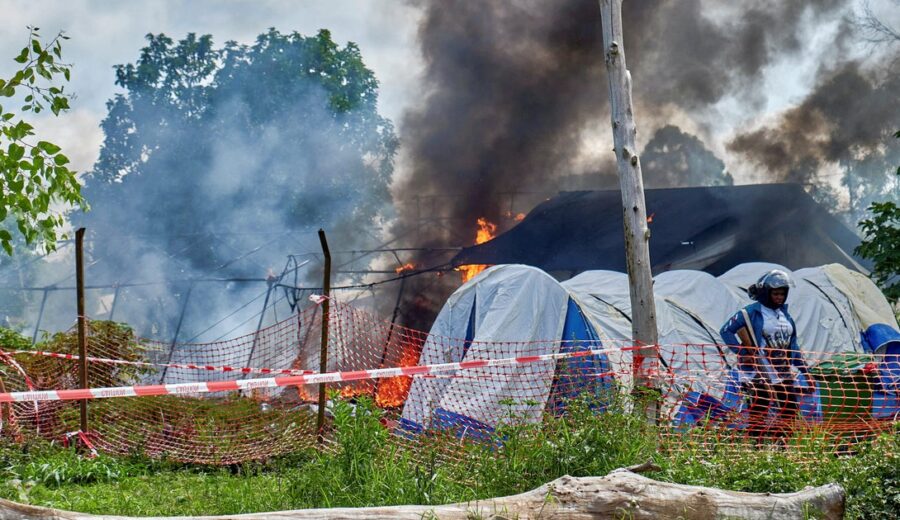
On Thursday, a group of local youths set fire to an Ebola treatment center in the town of Rwampara, after being stopped from retrieving the body of a local man who had apparently died of Ebola. The arson attack reflected the challenges health workers face as they try to curb the rare virus with stringent measures that can clash with local customs.
The efforts of health officials and aid groups have been complicated by the lack of trust and understanding in the communities they are trying to help. The WHO chief said the risk of spread remains high within the region, and low at global levels, but the situation is being closely monitored. The situation in neighboring Uganda is stable, with two cases confirmed in people who had visited Congo, and one death.
International Response
The international community is working to respond to the outbreak, with aid agencies and health organizations providing support to the affected regions. The WHO has declared the outbreak a public health emergency of international concern, and teams are working to intensify the investigation and search for cases. The African Centers for Disease Control and Prevention are also working to support the response efforts.
The outbreak has highlighted the need for increased awareness and understanding of the virus, as well as the importance of community engagement and participation in the response efforts. As the situation continues to evolve, it is clear that a coordinated and sustained effort will be needed to contain the spread of the virus and prevent further outbreaks.