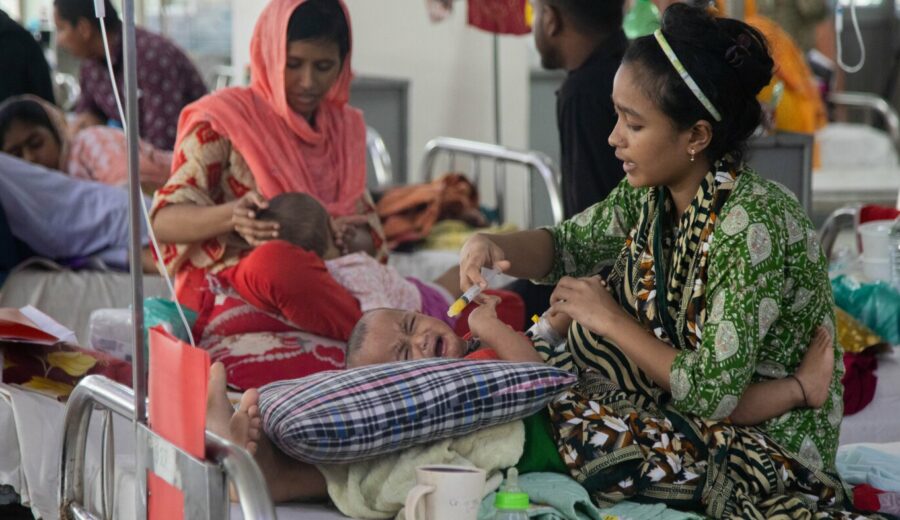
More than 500 children have died in a measles outbreak in Bangladesh, with over 60,000 suspected cases reported since mid-March. The vast majority of the sick and dead are children under age 5, putting a huge strain on the country’s healthcare system. The outbreak has been particularly devastating due to high rates of malnutrition among children, with 1 in 4 under age 5 suffering from stunted growth.
The outbreak has affected families like that of 2-year-old Miftahul Zannat, who developed classic symptoms of measles, including a fever and rash, as well as vomiting and diarrhea. Her parents took her to the capital, Dhaka, where hospitals have the capacity to care for patients with severe cases, but she was turned away by two facilities already overwhelmed by the crush of measles patients.
Measles Outbreak in Bangladesh
Children who are malnourished are especially vulnerable to measles, and in Bangladesh, the vaccine may be less effective due to high rates of undernutrition. The country was making progress toward eliminating measles prior to this outbreak, with a robust community-led vaccine program. However, the program was disrupted after the interim government revamped the vaccination system, leading to bureaucratic delays and a shortage of vaccine supplies.
Rana Flowers, the UNICEF representative to Bangladesh, had warned the government about the potential crisis, saying she had expressed her concerns on at least 10 occasions. Other groups, including the World Health Organization and Gavi, also urged the government to take action last year.
The outbreak has highlighted the importance of a well-functioning vaccine program and the need for continued support to prevent such crises in the future. The International Rescue Committee’s deputy regional director for Asia, Hasina Rahman, says the situation is “huge” and has put a significant strain on the healthcare system.
Response and Implications
The Bangladesh government has faced criticism for its handling of the outbreak, with many arguing that the crisis could have been prevented with a more effective vaccine program. The international community has also been accused of not doing enough to support the country’s response to the outbreak. As the situation continues to unfold, it is clear that more needs to be done to support the affected families and to prevent such outbreaks in the future.
The measles outbreak in Bangladesh serves as a reminder of the importance of global health security and the need for continued investment in vaccine programs and healthcare infrastructure. As the world continues to grapple with the challenges of infectious diseases, the outbreak in Bangladesh highlights the need for a coordinated and effective response to prevent such crises and protect the most vulnerable populations.


