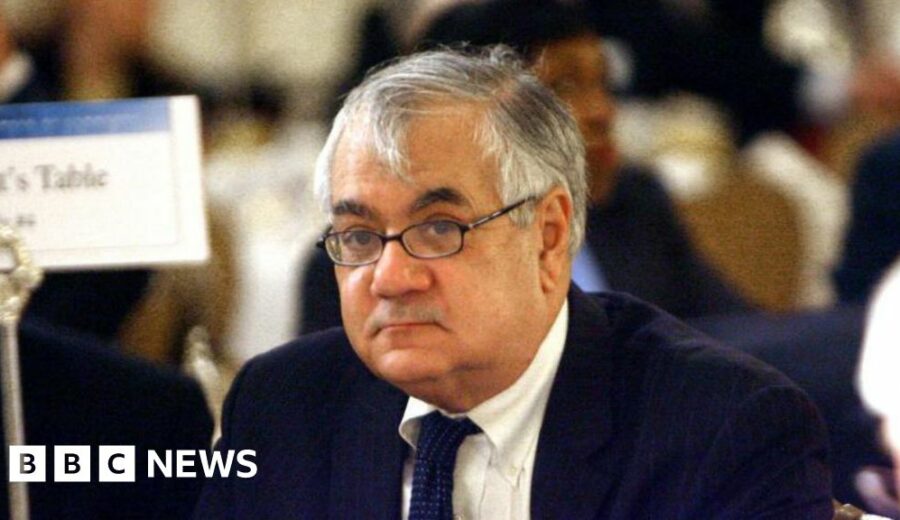
Former US Congressman Barney Frank, a trailblazer for LGBT rights and a key architect of the Dodd-Frank Act, has died at the age of 86. Frank passed away on Tuesday night at his home in Maine, where he had been in hospice care since April. He will be remembered for his tireless efforts to overhaul financial regulations and fight for civil rights.
Frank, a Democrat, represented southern Massachusetts in the House of Representatives for over three decades. He was one of the first openly gay members of Congress and the first to enter into a same-sex marriage while in office. His legacy extends far beyond his own community, as he played a crucial role in shaping the country’s financial regulatory landscape.
Dodd-Frank Act
The Dodd-Frank Act, named for Frank and fellow Democrat Sen. Chris Dodd of Connecticut, was a historic overhaul of banking regulations in response to the 2008 financial crisis. The law created new regulatory bodies and tightened restrictions on banks, aiming to prevent similar crises in the future. Frank’s work on the act has had a lasting impact on the US financial system.
Frank’s advocacy didn’t stop at financial reform. He was a vocal supporter of ending the “don’t ask, don’t tell” policy, which kept gay and lesbian US military servicemembers from serving openly. He also fought for legislation to ban workplace discrimination against LGBT workers, leaving a lasting legacy in the fight for civil rights.
Former House Speaker Nancy Pelosi paid tribute to Frank, calling him “an exceptional legislator” whose name is synonymous with strong consumer financial protections. Frank’s impact will be felt for generations to come, as his work continues to shape the country’s financial and social landscapes.
Legacy and Impact
Frank’s death has sparked an outpouring of tributes from across the political spectrum. His former campaign manager, Jim Segel, remembered Frank as a leader who “left a mark” on the country. Frank’s sister, Doris Breay, described him as a “wonderful brother” who was at peace with himself.
As the country reflects on Frank’s legacy, it’s clear that his work will continue to have a profound impact on American society. His commitment to fighting for civil rights and financial reform has inspired a new generation of leaders, and his legacy will serve as a reminder of the power of dedication and perseverance in the face of adversity. Frank’s passing serves as a reminder of the importance of continued efforts to protect and expand the rights of marginalized communities, ensuring a more just and equitable society for all.