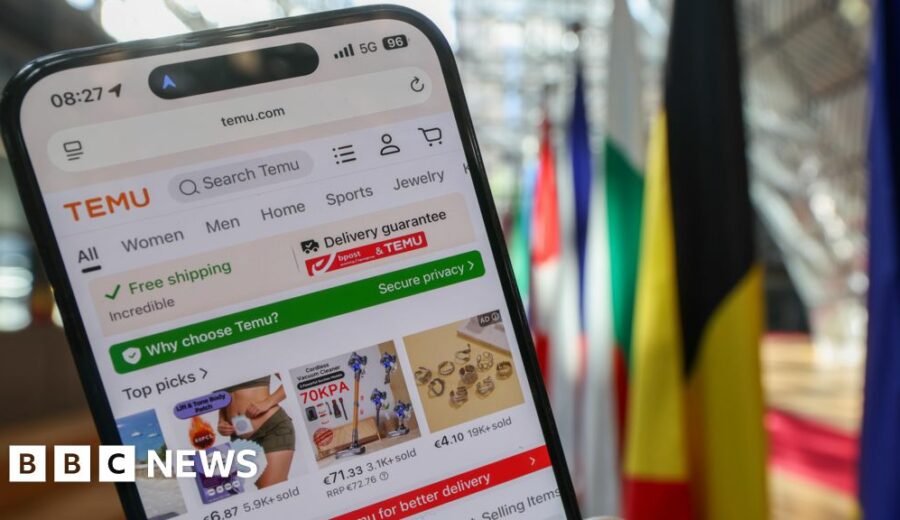
The European Union has hit Temu, a Chinese-owned online retailer, with a hefty $232 million fine for allowing the sale of illegal products, including dangerous baby toys and faulty chargers, on its platform.
Temu, which has been under investigation since October 2024, failed to identify and assess the risks of these products, posing harm to consumers, according to the European Commission. The company has been deemed a Very Large Online Platform under EU law, requiring it to meet certain obligations.
Temu’s Failure to Comply
The investigation involved a mystery shopping exercise, which found that a high percentage of chargers purchased through Temu failed basic electrical safety tests. Additionally, many baby toys posed safety risks, containing chemicals above legal limits or featuring small detachable parts that presented suffocation hazards.
As a result, Temu must present an action plan to address these failures by August 28. The European Commission will then have two months to decide whether the company has done enough to comply. EU tech commissioner Henna Virkkunen stated that the decision aims to send a strong message to Temu.
A Temu spokesperson expressed disagreement with the decision, considering the fine disproportionate and citing that the issues related to 2024 do not reflect the current state of its systems. However, UK consumer organization Which? praised the decision, urging the UK to follow suit and hold online marketplaces accountable for dangerous products.
Implications and Reactions
The fine is only the second imposed under the EU’s Digital Services Act, with the first being a $137 million penalty against Elon Musk’s X social media network last December. This decision may set a precedent for online marketplaces to prioritize consumer safety and comply with regulations.
The EU’s move to fine Temu serves as a warning to other online retailers, emphasizing the importance of ensuring product safety and compliance with regulations. As the e-commerce landscape continues to evolve, regulatory bodies are taking a closer look at online marketplaces and their role in protecting consumers.


