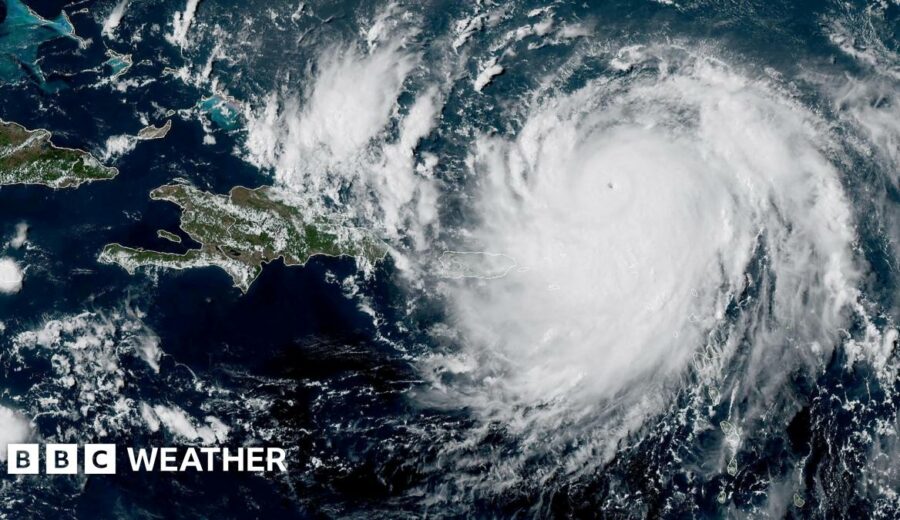
This year’s Atlantic hurricane season is expected to be less active than normal, with a 55% chance of a below-average season, according to the National Oceanic and Atmospheric Administration (NOAA). The forecast predicts between eight and 14 named storms, including three to six hurricanes, with one to three of them being major hurricanes. The Atlantic hurricane season runs from June 1 to November 30.
The forecast is based on a developing El Niño, which is expected to suppress hurricane activity in the Atlantic. However, sea surface temperatures in the Atlantic are expected to be higher than normal, which could support a more active season. NOAA’s National Weather Service Director Ken Graham notes that even in a below-average season, major hurricanes can still develop and cause devastation.
Atlantic Hurricane Season Outlook
The El Niño factor is expected to be strong enough to keep hurricane activity below average overall. However, forecasters warn that there are still big uncertainties, and it only takes one storm to make for a very bad season. The examples of Hurricane Betsy in 1965 and Hurricane Andrew in 1992, both devastating storms that occurred during below-average seasons, serve as a reminder of the potential risks.
Hurricanes are tropical storms that form over the north Atlantic Ocean, and their activity usually peaks in September. Forecasters use weather observations, historical data, and computer models to predict how a particular season might behave. Another annual forecast, released by Colorado State University, also suggests that 2026 will be a below-active season.
Implications and Preparations
The forecast has significant implications for coastal communities and emergency responders. Even in a below-average season, major hurricanes can still cause catastrophic damage and loss of life. The National Weather Service is urging residents in hurricane-prone areas to remain vigilant and prepare for the upcoming season. This includes reviewing emergency plans, stocking up on supplies, and staying informed about weather conditions.
The 2025 Atlantic hurricane season serves as a reminder of the potential risks and uncertainties associated with hurricane forecasting. Despite a lower-than-expected number of storms, the season still saw several powerful hurricanes, including Hurricane Melissa, which caused extensive damage in the Caribbean. As the 2026 season approaches, it is essential for communities to remain prepared and take necessary precautions to mitigate the risks associated with hurricanes.