A recent surge in attacks on houses of worship has prompted religious leaders and lawmakers to push for a significant increase in funding to secure these institutions, with a proposed $1 billion allocation to the Nonprofit Security Grant Program (NSGP).
The program, which provides funding to nonprofits to enhance security measures such as installing door locks and security cameras, has been instrumental in preventing tragedies, according to Rabbi Jen Lader, whose congregation in West Bloomfield, Michigan, was attacked in March. Lader credits the security personnel and rigorous staff training, made possible by the NSGP, for preventing a worse outcome.
Securing Houses of Worship
The NSGP has been a vital resource for houses of worship, with individual institutions able to request up to $200,000 in funding. However, the program’s reimbursement structure has been a challenge for many nonprofits, which must come up with the funds upfront and then wait for reimbursement. This has led some organizations to stop applying, despite the potential benefits.
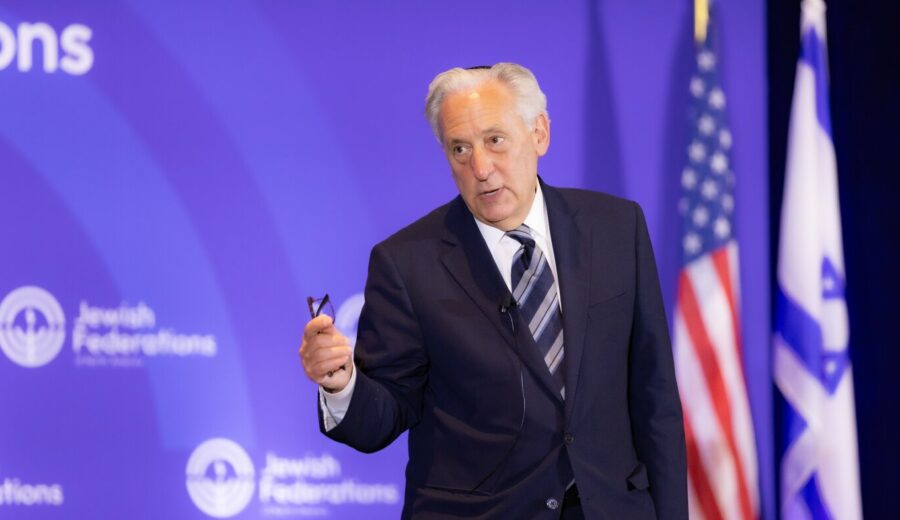
Eric Fingerhut, president and CEO of the Jewish Federations of North America, emphasized the importance of the NSGP, stating that it’s “tragic that we have to be thinking about this in the same way that TSA protects airports and businesses protect their premises, but we have to.” The Jewish Federations of North America organized an advocacy fly-in of over 400 Jewish leaders to Capitol Hill to urge lawmakers to support increased funding for the program.
Broader Implications
The push for increased funding comes in the wake of a recent attack on a San Diego mosque, which killed three men and the two teenage attackers. The incident has highlighted the need for enhanced security measures at houses of worship, with Fadi Hammami, co-president of the Islamic Association of Greater Hartford, noting that “it’s one of those moments where you think, is this going to happen to us? Is it a matter of when or if?”
The proposed $1 billion allocation to the NSGP would provide critical support to houses of worship, enabling them to implement essential security measures and protect their communities. As the debate over funding continues, the broader significance of this issue remains clear: the safety and security of all Americans, regardless of their faith or background, is a fundamental right that must be protected.