A significant shift is underway in the midterm elections, as voters increasingly prioritize the cost of living and the focus on abortion evolves. A recent trend shows that while abortion remains a crucial issue, its importance is being reevaluated in the context of broader economic concerns.
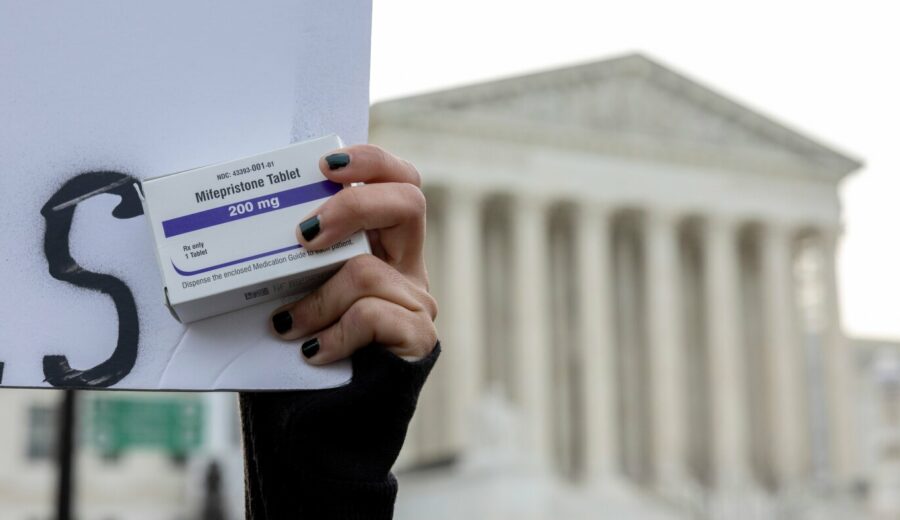
In the nation’s capital, demonstrators from both anti-abortion and abortion-rights groups have been rallying outside the Supreme Court, highlighting the ongoing debate. The rallies have drawn attention to the use of mifepristone pills, a key aspect of the abortion discussion.
Abortion in Midterm Elections
The midterm elections have seen a notable change in the way abortion is being discussed, with many voters weighing its importance against other pressing issues like the economy and healthcare. As the elections approach, candidates are being forced to adapt their messaging to reflect the shifting priorities of their constituents.
The impact of this shift is being felt across the country, with voters in key states considering the role of abortion in their decision-making process. While some voters remain strongly committed to their positions on the issue, others are taking a more nuanced approach, considering the complexities of the economy and the cost of living.
Implications and Reactions
The evolving focus on abortion has significant implications for the midterm elections, with candidates and parties reassessing their strategies in response to the changing landscape. As the elections draw near, it remains to be seen how this shift will ultimately impact the outcome, but one thing is clear: the conversation around abortion is becoming increasingly intertwined with broader economic concerns.
The reactions from both sides of the debate have been telling, with some activists expressing concern that the shift in focus could undermine the importance of the abortion issue, while others see it as an opportunity to reframe the discussion in a more nuanced and comprehensive way.


