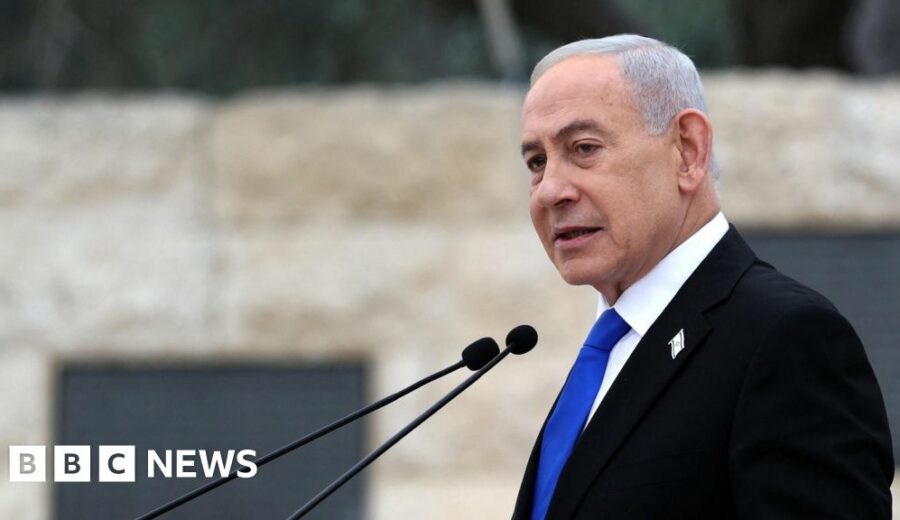
Israeli Prime Minister Benjamin Netanyahu has directed the Israel Defense Forces to increase control of Gaza to 70%, a move that contradicts the terms of a ceasefire agreement brokered by the US in October 2025. The expansion would give Israel greater authority over the territory, which has been a point of contention between Israel and Hamas. At least 738 Palestinians have been killed since the ceasefire came into effect.
Netanyahu’s statement was made at a conference on Thursday, where he outlined his plans for the region. The Israeli military currently controls 60% of the Gaza Strip, up from 53% agreed upon in the ceasefire. The next steps in the peace proposal would see Hamas disarm and Israeli troops withdraw, but indirect talks between Israel and the Palestinian armed group have stalled.
Gaza Control Expansion
The expansion in control by Israel would be a significant development in the region, with potential implications for the ongoing conflict between Israel and Hamas. The ceasefire agreement, brokered by the US, aimed to reduce violence in the region, but Israel has continued to launch strikes on Gaza. At least 10 people, including five children, were killed in an Israeli strike on a building in Gaza City late on Wednesday.
The Israeli military has released statements saying it struck Hamas targets in the northern Gaza Strip, including the killing of Hamas battalion commander Imad Asleem and his teenage daughter. The Gaza City attack came a day after the newly chosen head of the Hamas military wing, Mohammed Odeh, was killed along with his wife and two sons in an Israeli strike.
The conflict in Gaza has resulted in significant loss of life, with at least 72,742 Palestinians killed and 172,565 injured, according to the Hamas-run health ministry. Of those killed, at least 21,283 were children. The Israeli military campaign in Gaza has reduced much of the Palestinian territory to ruins and left many of its 2.1 million residents displaced.
Reactions and Implications
The expansion of Israeli control in Gaza is likely to be met with resistance from Hamas and other Palestinian groups. The US-brokered peace talks have stalled, and the situation in Gaza remains volatile. Israeli Defence Minister Israel Katz has said that his country has pledged to eliminate those responsible for the October 7 massacre in 2023 and that Hamas will not be allowed to rule Gaza civilly or militarily.
The situation in Gaza has broader implications for the region, with the potential for further conflict and instability. The US has been involved in efforts to broker a peace agreement, but the situation remains complex and challenging. As the conflict continues, the humanitarian situation in Gaza is likely to deteriorate further, with significant consequences for the region and the world.