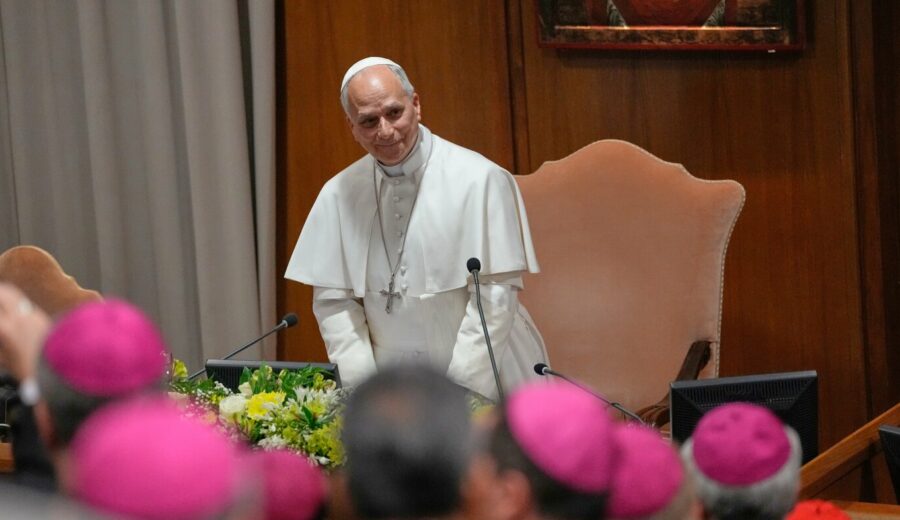
Pope Leo XIV issued a scathing critique of Big Tech in his first encyclical, warning that artificial intelligence poses significant risks to humanity, including widening inequality and undermining democracy.
The encyclical, titled “Magnifica Humanitas,” was presented at the Vatican on May 25, 2026, and calls for stricter regulations on AI companies and the removal of AI from military and economic interests.
Artificial Intelligence Ethics
Pope Leo XIV’s document frames AI as the new industrial revolution and emphasizes the need for “disarming AI” by freeing it from the mentality of competition and making it accessible to all.
The pope also highlighted the dangers of a few wealthy individuals influencing the future of humanity, widening the gap between those who can participate in the digital revolution and those who remain on the margins.
He warned that AI tends to amplify the power of those who already possess economic resources, expertise, and access to data, undermining social justice and solidarity among peoples.
Implications and Reactions
The encyclical’s release was met with support from Chris Olah, co-founder of the American AI company Anthropic, who emphasized the need for more scrutiny and regulation of AI development.
Olah noted that AI development often operates under conflicting incentives and constraints, and that broader participation from religious communities, civil society, and governments is necessary to push events in a better direction.
The pope’s insistence that human beings take precedence over artificial intelligence is at the heart of the encyclical, which argues that human dignity does not depend on abilities, wealth, or position in life, but simply on existing.


