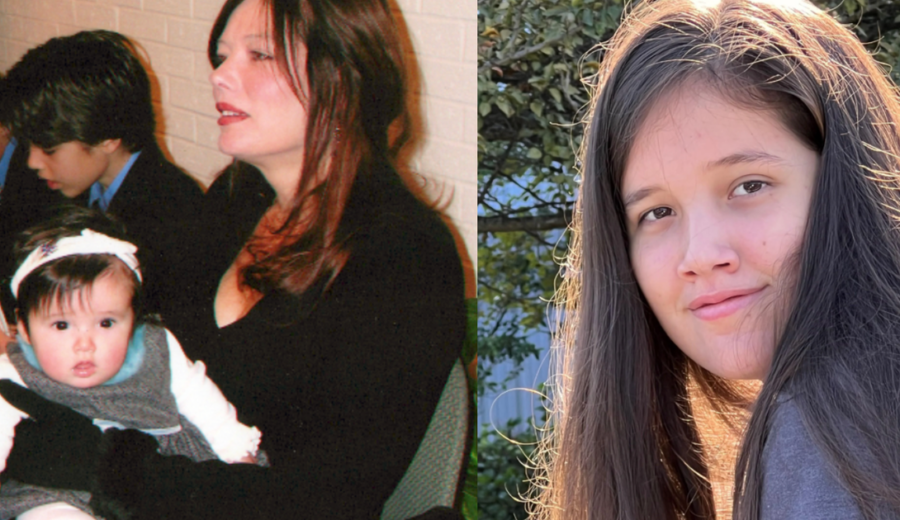
After 18 years of misdiagnoses and unexplained symptoms, Lucia Adarve, now 18, has finally received a definitive diagnosis: Jordan syndrome, a rare neurodevelopmental disorder. The diagnosis was made possible by the Cleveland Clinic’s Undiagnosed Disease Clinic, which used whole genome sequencing to identify a mutation on Lucia’s PPP2R5D gene.
Lucia’s journey to diagnosis was marked by numerous doctor visits, seizures, and concussions. Her mother, Lisa, had been searching for answers since Lucia’s birth, amassing a long list of diagnoses, including epilepsy, lupus, and ADHD. Despite the many labels, no therapies or treatments seemed to help, and Lucia became pessimistic about medical appointments.
Jordan Syndrome Diagnosis
The Cleveland Clinic’s Undiagnosed Disease Clinic, founded and directed by Dr. Adnan Alsadah, aims to help patients with ultra-rare conditions who have spent years seeking a diagnosis. Lucia and her mother spent a day undergoing a screening questionnaire at the clinic, and Lucia provided a genetic sample that was analyzed for genetic variants. Four weeks later, they received the call: Lucia had a mutation on her PPP2R5D gene, confirming Jordan syndrome.
According to Dr. Wendy Chung, a pediatric medical geneticist and researcher, Jordan syndrome is a neurodevelopmental disorder that affects children’s development and may cause difficulties with movement, speech, reading, or writing. The condition can also be associated with seizures, autism, and ADHD. Lucia’s diagnosis has brought a mix of emotions, from relief to uncertainty about what the future holds.
Implications and Next Steps
The diagnosis has given Lucia and her family a sense of validation, confirming that her symptoms were not just a collection of unrelated issues. Lisa expressed relief that she was not being overprotective, and Lucia has started to come to terms with her condition. The family is now exploring what the diagnosis means for Lucia’s future, including potential treatments and therapies.
The Cleveland Clinic’s Undiagnosed Disease Clinic has given Lucia and her family hope, and their story highlights the importance of perseverance and the need for advanced medical technologies to solve complex medical mysteries. As medical research continues to advance, stories like Lucia’s remind us that every diagnosis has the potential to improve our understanding of rare conditions and ultimately lead to better treatments and outcomes.


