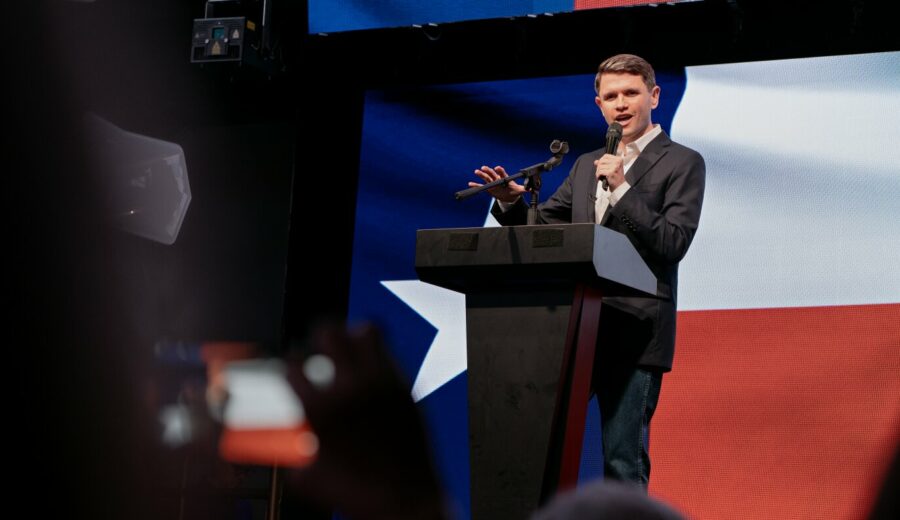
Texas Attorney General Ken Paxton has launched a series of personal attacks on his Democratic opponent, James Talarico, questioning his masculinity and using derogatory terms to describe him.
Paxton’s attacks, which include labeling Talarico as “tofu Talarico” and “Low-T Talarico,” have been met with widespread criticism and have sparked a debate about the role of masculinity in politics. The attacks have also been echoed by other Republican figures, including White House advisor Stephen Miller and Fox host Jesse Watters.
Masculinity in Politics
The use of masculinity as a political attack is not new, but it has become more prominent in recent years, particularly in the Republican Party. This tactic has been used to question the toughness and leadership abilities of opponents, and to appeal to voters who value traditional masculine traits.
Talarico has responded to the attacks by emphasizing his commitment to issues such as climate change and social justice, and by highlighting Paxton’s own scandals, including an affair and an impeachment. Talarico has also reiterated that he eats meat and has mocked Paxton’s attempts to question his masculinity.
The effectiveness of Paxton’s attacks is unclear, but some analysts believe that they may resonate with voters in the conservative state of Texas. However, others argue that the attacks may backfire and ultimately harm Paxton’s chances of winning the election.
Election Implications
The Texas Senate race is being closely watched, and the outcome could have significant implications for the balance of power in the Senate. The race is also seen as a test of the Republican Party’s strategy of using personal attacks and divisive rhetoric to win elections.
As the election approaches, it remains to be seen whether Paxton’s attacks will succeed in defining Talarico and winning over voters. However, one thing is clear: the use of masculinity as a political attack is a tactic that is unlikely to go away anytime soon, and it will continue to shape the way that politicians campaign and govern.
The broader significance of this election is that it reflects a deeper cultural shift in American politics, where personal attacks and divisive rhetoric have become increasingly common, and where the lines between politics and identity have become increasingly blurred.