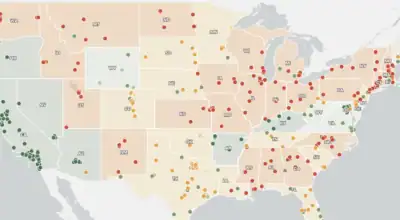
More than half a million personal bankruptcies were filed last year, a nearly 50% jump from three years earlier, according to the Administrative Office of the U.S. Courts. This surge in bankruptcies is a sign that many Americans are struggling to cope with their debt, with filings at the end of March up almost 12% from a year earlier.
The trend is evident in the story of Rebecca Lessley, who recently filed for bankruptcy after losing her job and accumulating a pile of debt. When she asked her friends for bankruptcy lawyer recommendations on Facebook, she was surprised to find that several of them had already gone through the process. Experts say this shows that the stigma of bankruptcy is fading, and more people are seeking debt relief.
Personal Bankruptcy Rate
Personal bankruptcies are significantly more common than business bankruptcies, and experts say the rising rate is a sign of the growing pressure of debt on American households. “It’s telling us that consumers are having a harder time coping with their financial obligations,” said Sasha Indarte, a professor of finance at the University of Pennsylvania’s Wharton School.
The process of filing for bankruptcy involves proving to a court that you cannot pay your debts, and then working with a court-appointed trustee to develop a repayment plan. This can include selling off assets, erasing some debt, and stopping creditor harassment. While bankruptcy can hurt your credit history, research shows that most people’s credit scores recover within a year of filing.
Despite the rise in bankruptcies, filings are still below the pre-pandemic norm. The personal bankruptcy rate had fallen about 51% by 2022, likely due to government interventions such as stimulus checks and expanded unemployment benefits. Now that these safety nets are gone, bankruptcy filings are climbing back up.
Implications and Reactions
Researchers caution against using the bankruptcy rate as an indicator of the country’s economic wellbeing, as it represents an extreme. However, the rising rate does give a sense of the financial distress that many Americans are facing. As the economy continues to evolve, it’s likely that more people will turn to bankruptcy as a last resort for debt relief.
The impact of the rising bankruptcy rate will be felt by individuals, families, and communities across the country. As the stigma of bankruptcy fades, more people may be willing to seek help and start rebuilding their financial lives. The trend highlights the need for continued support and resources for those struggling with debt, and serves as a reminder of the ongoing challenges faced by many American households.