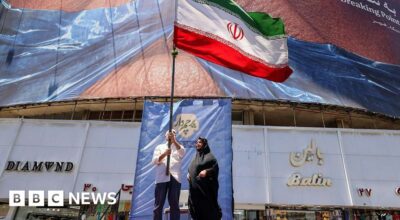
Iran and Oman are nearing a deal to secure a shipping route through the Strait of Hormuz, a vital waterway that has been blockaded by Iran since February, according to Oman’s foreign ministry. The potential agreement, which is in its final stages, could lead to the reopening of the strait, through which around a fifth of the world’s oil and natural gas flows. However, Iranian officials warned that any deal would not immediately reopen the strait, citing unresolved issues with the US.
Talks between Iran and Oman have focused on creating a new route through the strait, which both countries would be responsible for securing. Iranian Foreign Minister Abbas Araghchi said the discussions are progressing, but the reopening of the strait depends on other conditions being met, including compensation from the US for alleged violations of a previous agreement. US Vice-President JD Vance said that while progress is being made, “we’re really in the middle of the game here” and that a deal is not yet imminent.
Strait of Hormuz Agreement
The potential deal between Iran and Oman has significant implications for global oil supplies and the US-Iran relationship. The strait has been a major point of contention between the two countries, with Iran threatening to impose a fee on vessels wishing to cross the strait. However, US officials have downplayed these reports, with Vance saying that Iran has no plans to toll the strait.
The situation in the region remains volatile, with reports of attacks on ships in the strait. The United Arab Emirates (UAE) said that one of its tankers was targeted by an Iranian missile, while the UK Maritime Trade Operations agency reported a ship being struck by an unknown projectile off the coast of Oman. Despite these incidents, Oman’s foreign ministry warned against attacks on shipping that could hamper a potential deal.
Implications and Next Steps
The potential agreement between Iran and Oman could have significant implications for global oil prices and the US-Iran relationship. If a deal is reached, it could lead to the reopening of the strait and a reduction in tensions between the two countries. However, the situation remains complex, with many unresolved issues and competing interests at play. As US officials continue to negotiate with Iran, the US will need to balance its own interests with those of its allies in the region.
The US-Iran relationship remains a critical issue, with the potential to impact global stability and security. As the situation continues to evolve, the US will need to navigate a complex web of interests and alliances to achieve its goals. The outcome of these negotiations will have significant implications for the US, Iran, and the global community, and will be closely watched in the coming days and weeks.