Scientists have found that babies are born with brains primed to engage in conversation, and parents can significantly boost language development from day one. By using real words and pausing for responses, parents can help their little ones become confident talkers. This approach is backed by experts like Roger Harrison, a child psychologist at Children’s Hospital of Philadelphia.
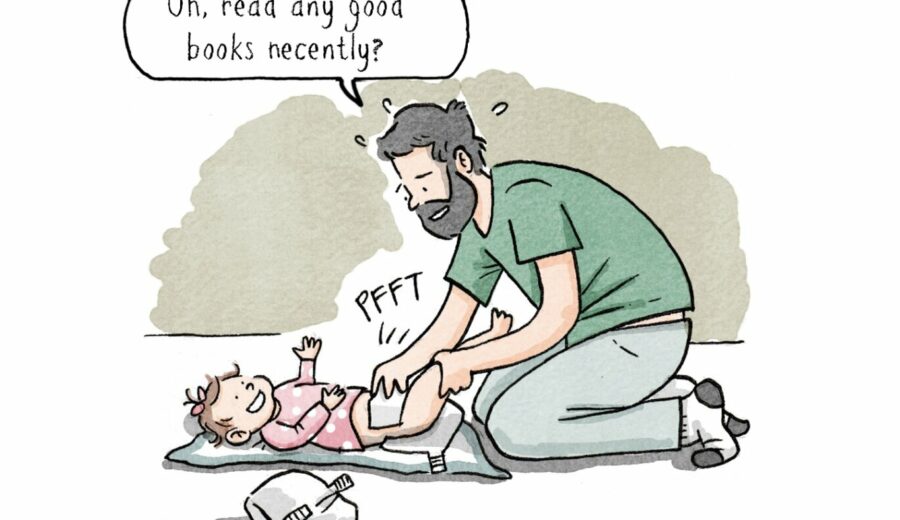
The key is to ditch the “goo goo ga ga” baby talk and instead use real words to avoid confusion. When talking to babies, pausing to wait for a response – even if it’s just a coo – can make a big difference. Cartoonist Navied Mahdavian illustrates advice from Harrison, as well as Jessica Rolph, a mom of three and CEO of Lovevery, and Amelia Bachleda, director of outreach and education at the Institute for Learning and Brain Sciences.
Raising Confident Talkers
Experts agree that language development is crucial in the early years, and parents play a significant role in shaping their child’s communication skills. By following simple tips like using real words and encouraging responses, parents can set their children up for success. Mahdavian’s illustrations bring these tips to life, making it easy for parents to understand and implement them.
According to Harrison, parents should focus on creating a supportive environment that encourages conversation. This can be as simple as talking to babies regularly and responding to their coos and babbles. By doing so, parents can help their children develop essential language skills and become confident talkers.
The benefits of this approach extend beyond language development, as it also helps strengthen the bond between parents and children. By engaging in conversation and responding to their little ones, parents can build trust and create a sense of security, which is essential for healthy development.
What’s Next for Parents
For parents looking to raise confident talkers, the good news is that it’s never too early to start. By incorporating simple techniques like using real words and pausing for responses, parents can make a significant impact on their child’s language development. As children grow and develop, parents can continue to support their language skills by engaging in conversations and encouraging them to express themselves.
As experts continue to study language development, one thing is clear: parents play a vital role in shaping their child’s communication skills. By following the tips outlined by Harrison, Rolph, and Bachleda, parents can help their children become confident talkers and set them up for success in the years to come. This, in turn, can have a lasting impact on their child’s social, emotional, and academic development, making it a crucial aspect of parenting.