Some African nations are turning down hundreds of millions of dollars in aid from the Trump administration due to conditions attached to the funding. The deals, aimed at supporting healthcare structures and fighting disease, come with requirements for recipient governments to increase their own health spending and prioritize US pharmaceuticals and medical firms.
The US has offered aid to several African countries, including a $2.5 billion deal with Kenya, which has been delayed by activists. The State Department’s new global health strategy requires recipient governments to share responsibility and build durable systems that can eventually be self-reliant. For example, the US is contributing $1.6 billion to the deal with Kenya, with the East African nation pledging $850 million over five years.
US Health Aid to Africa
The Trump administration’s approach to health aid in Africa has shifted away from a model of global cooperation anchored in the World Health Organization (WHO). Instead, the US is pursuing direct agreements with individual governments that are tied to US strategic and commercial interests. This shift has been controversial, with some critics arguing that it prioritizes US interests over the needs of African countries.
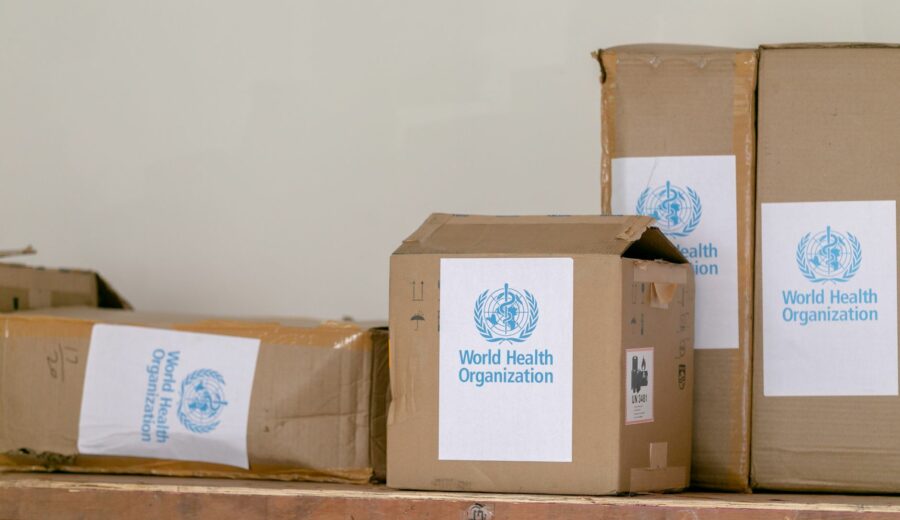
The US withdrew from the WHO earlier this year, citing concerns over funding and management. The American bilateral deals come with an explicit promise to prioritize US pharmaceuticals and medical firms to develop and deliver treatments. This has raised concerns among some African governments, which are resisting the deals due to concerns over sovereignty and independence.
Resistance from African Nations
Some African countries, including Ghana, Zimbabwe, and Zambia, have resisted signing up to the deals. In Zambia, Foreign Minister Mulambo Haimbe criticized the US for linking health funding to access to critical minerals. The Zambian government wants to discuss the two issues separately, rather than as a package deal. The State Department has defended its approach, saying that US foreign assistance is “strategic capital” that must be used to advance US interests.
The controversy over the aid deals has significant implications for the future of global health cooperation. As the US pursues its “America First” approach, other countries may be forced to re-evaluate their own priorities and partnerships. The outcome will have far-reaching consequences for the health and wellbeing of millions of people in Africa and beyond.