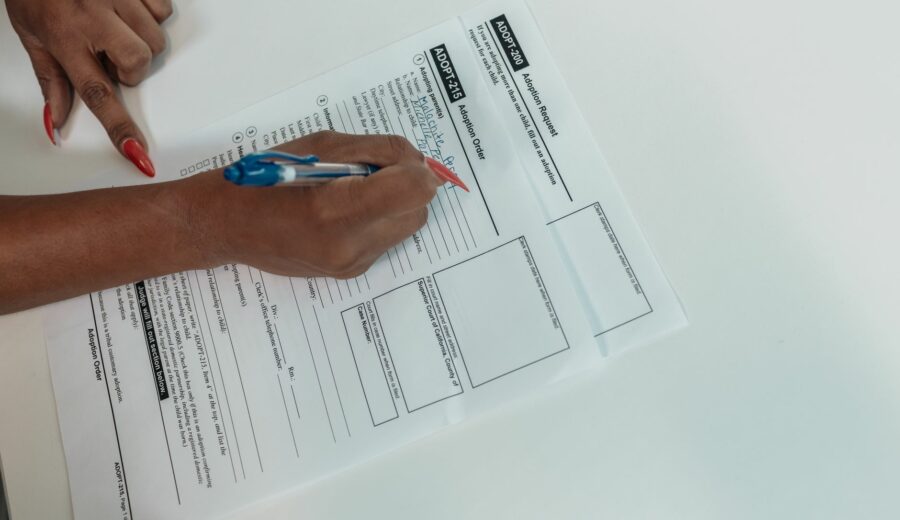
A growing number of foreign-born spouses of US citizens are facing significant delays and hurdles in their pursuit of American citizenship, a process that was once relatively straightforward.
The backlog of citizenship applications has increased substantially, with many applicants waiting over a year for their cases to be processed, according to immigration experts. This shift has left many families in limbo, uncertain about their future in the United States. In cities like Boston, where naturalization ceremonies are held regularly, the impact is being felt firsthand.
Citizenship Through Marriage
Historically, marriage to a US citizen was a reliable path to citizenship, with most applicants able to navigate the process within a few months. However, changes in immigration policies and procedures have introduced new obstacles, including stricter background checks and more rigorous interviews. As a result, many applicants are finding it increasingly difficult to secure citizenship through marriage.
The delays and increased scrutiny are affecting not only the applicants but also their families, who must cope with the uncertainty and stress of an extended and unpredictable process. In some cases, the wait has lasted so long that applicants have had to reapply or provide additional documentation, further prolonging the process.
Implications and Next Steps
The slowdown in citizenship applications has significant implications for families and communities across the United States. With many applicants facing extended waits, there is a growing concern about the impact on their daily lives, including their ability to work, access healthcare, and participate fully in their communities. As the backlog continues to grow, lawmakers and immigration advocates are calling for reforms to streamline the process and reduce the delays.
The issue highlights the complex and often frustrating nature of the US immigration system, where even those who have followed the rules and met the necessary requirements can find themselves facing unexpected obstacles. As the debate over immigration reform continues, the experiences of these applicants serve as a reminder of the human impact of policy decisions and the need for a more efficient and humane approach to citizenship.


