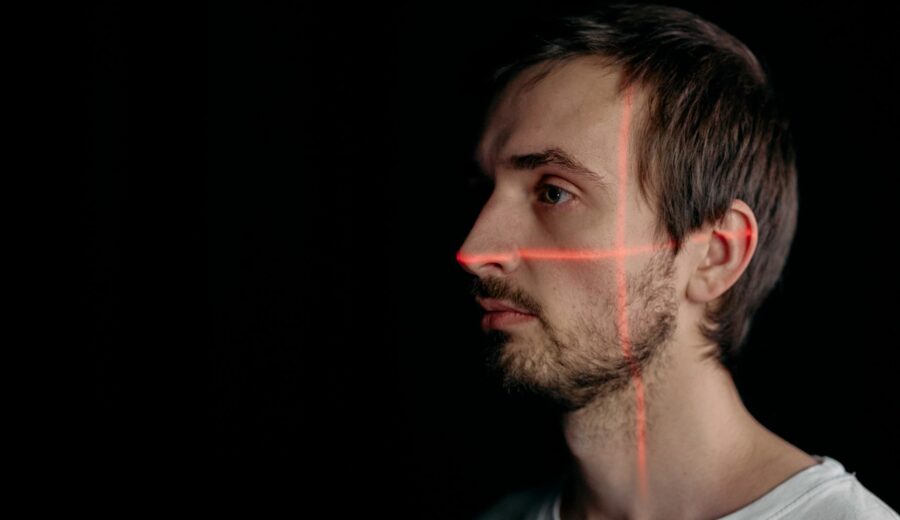
Local police in the US have access to a facial recognition app provided by Immigration and Customs Enforcement (ICE), allowing them to scan the faces of people they stop and compare them to over 250 million government records.
The app, called the ICE Task Force Module, was launched in September and is used by police participating in the federal 287(g) program, which gives local officers the authority to arrest immigrants on ICE’s behalf. There are about 1,300 police agencies participating in this program nationwide.
Facial Recognition Technology
The app works by comparing facial scans against government records, including visa records and Traveler Verification Service records used by the Transportation Security Administration. Once a scan is made, the app instructs officers either to release the person or provides a reference code to obtain more information from ICE.
The photos captured by the app are stored in an internal system for 15 years, raising concerns about privacy and surveillance. Experts say this technology can create a chilling effect on freedom of speech, as people may worry about repercussions for attending protests or observing ICE activity.
Homeland Security Secretary Markwayne Mullin acknowledged that the agency has used facial recognition technology on protesters, identifying people who attended protests in Oregon and New Jersey. However, facial recognition technology is not always accurate, and there have been cases of people detained by ICE who were wrongly identified.
Implications and Reactions
Privacy experts and civil liberties advocates are concerned about the potential misuse of this technology, particularly if police are allowed to use it as a dragnet to identify individuals who may be in the country unlawfully. The use of this app raises questions about how and when police will deploy it, and whether a pre-existing stop based on suspicion is required before using the app.
The use of facial recognition technology by local police has significant implications for individual rights and freedoms, and experts say it is essential to have clear guidelines and regulations in place to prevent misuse. As the use of this technology becomes more widespread, it is crucial to consider the potential consequences for communities and individuals.
The deployment of this facial recognition app by local police is a significant development in the ongoing debate about immigration enforcement and surveillance in the US. As the country grapples with issues of border security, immigration reform, and individual rights, the use of this technology will likely be closely watched and debated.