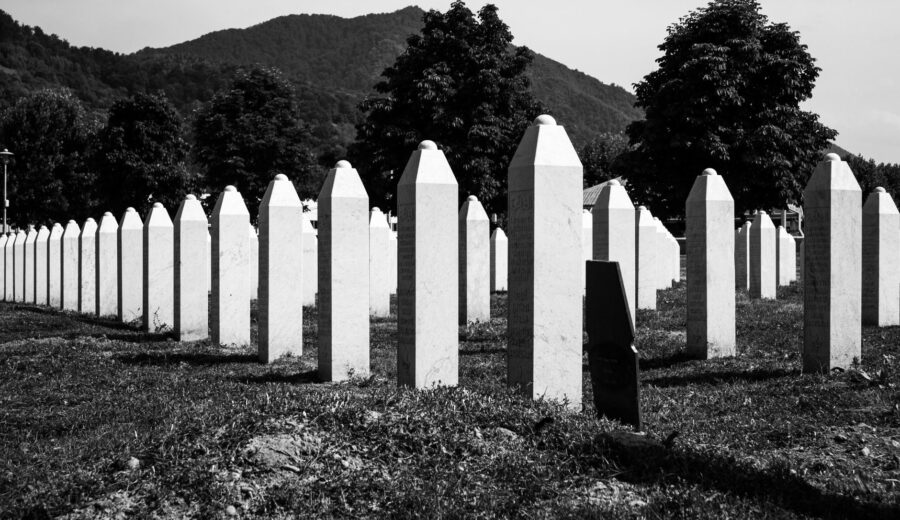
Pope Leo XIV spent the Fourth of July honoring migrants who have died trying to reach Europe, visiting a cemetery in Lampedusa, Italy, and celebrating a solemn Mass for the island’s residents and newcomers.
The pope, who has clashed with the US over immigration, met with migrants at the port and walked alone onto the jetty rocks, overlooking the sea where many have lost their lives. He later visited the US ambassador to the Holy See, Brian Burch, and received gifts including a baseball and an apple pie.
Migrant Crisis in Europe
Lampedusa, a small island closer to Africa than the Italian mainland, is a major entry point for migrants crossing from Libya or Tunisia, often smuggled by human traffickers. The pope’s visit sent a powerful message about the Christian obligation to uphold the dignity of every human being, particularly migrants and the vulnerable.
In a letter to Americans, Pope Leo emphasized that protecting human life includes welcoming and assisting immigrants, who have contributed to the US since its founding. He urged Europe to address the migration phenomenon with comprehensive strategies, integrating relief with long-term support and integration.
The number of migrants arriving in Italy has decreased significantly this year, with 14,464 reported as of Friday, compared to 30,598 in the same period last year. However, the International Organization of Migration has recorded over 35,000 missing migrants in the Mediterranean since 2014.
Implications and Reactions
The pope’s visit and message come as Europe struggles to balance border control with its legal obligations to welcome refugees fleeing conflict, climate change, and poverty. His emphasis on compassion and dignity for migrants may resonate with Americans celebrating their country’s founding principles of freedom and opportunity.
The visit also highlights the complex and often fraught relationship between the US and the Vatican on immigration issues. As the US marks its 250th anniversary of independence, the pope’s words serve as a reminder of the ongoing challenges and moral imperatives surrounding migration and human dignity.
The pope’s actions and words on this July 4th will likely be seen as a call to action for European leaders to address the migration crisis with greater urgency and compassion, and for Americans to reflect on their own country’s history and values as a nation of immigrants.