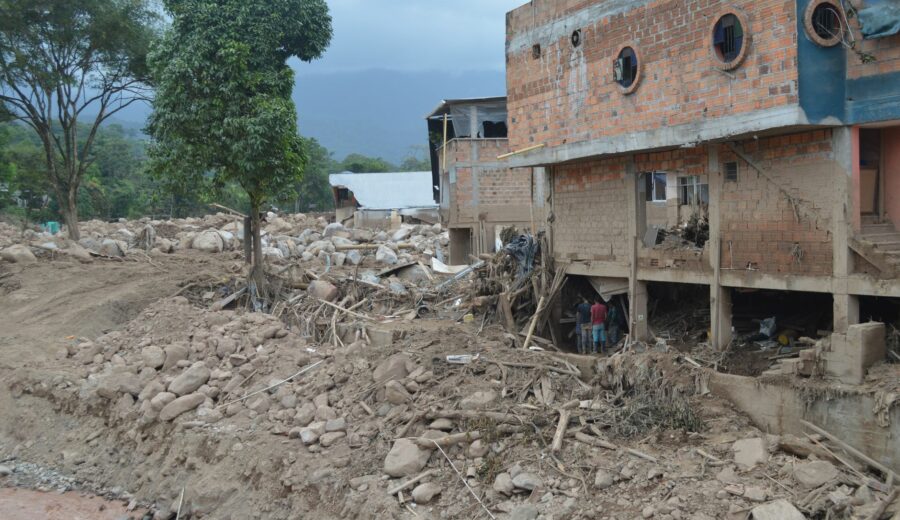
A powerful earthquake struck Venezuela on Wednesday, killing hundreds and leaving widespread destruction in its wake. The twin quakes, which hit the country, have resulted in a rising death toll, with many more injured and displaced. The disaster has dealt a devastating blow to a nation already grappling with uncertainty and instability.
The quakes occurred less than six months after the US seizure of President Nicolás Maduro, who was taken into custody to face drug-trafficking charges. Since then, the country has been governed by interim President Delcy Rodríguez, a close ally of Maduro. Rodríguez addressed the nation on state television, calling for unity and declaring a state of emergency in response to the disaster.
Venezuela Earthquake Response
Rodríguez’s response to the quake has highlighted the challenges facing the country’s battered infrastructure, which has suffered from years of mismanagement and neglect. The lack of expertise among government officials, many of whom are high-ranking military officers, has contributed to the decline of public services and infrastructure. Recently, Rodríguez has made efforts to replace military officials with civilian experts in key ministries, but the damage has already been done.
The earthquake has also exposed the country’s vulnerability to natural disasters, with many buildings and homes collapsing due to a lack of maintenance and repairs. The shortage of essential materials, such as cement, has worsened the situation, making it difficult for authorities to respond effectively to the disaster. Rodríguez has expressed gratitude to foreign governments, including the US, for offering assistance and support.
The acceptance of foreign aid marks a significant shift from the policies of Maduro, who had refused help from countries that did not share his ideological views. The move is seen as a pragmatic response to the crisis, with Rodríguez recognizing the need for international cooperation to address the disaster.
Aftermath and Implications
The earthquake has sparked an outpouring of support from around the world, with many countries offering aid and assistance to Venezuela. The disaster has also raised questions about the country’s preparedness for natural disasters and the need for greater investment in infrastructure and emergency response systems. As the country begins to rebuild and recover, it will be crucial for the government to prioritize the needs of its citizens and work towards a more stable and secure future.
The international community will be watching closely as Venezuela navigates this difficult period, and the response to the earthquake will be a key test of the government’s ability to respond to crises and prioritize the needs of its people. The broader significance of the disaster lies in its impact on the country’s already fragile economy and political system, and the need for sustainable and equitable solutions to address the underlying challenges facing Venezuela.


