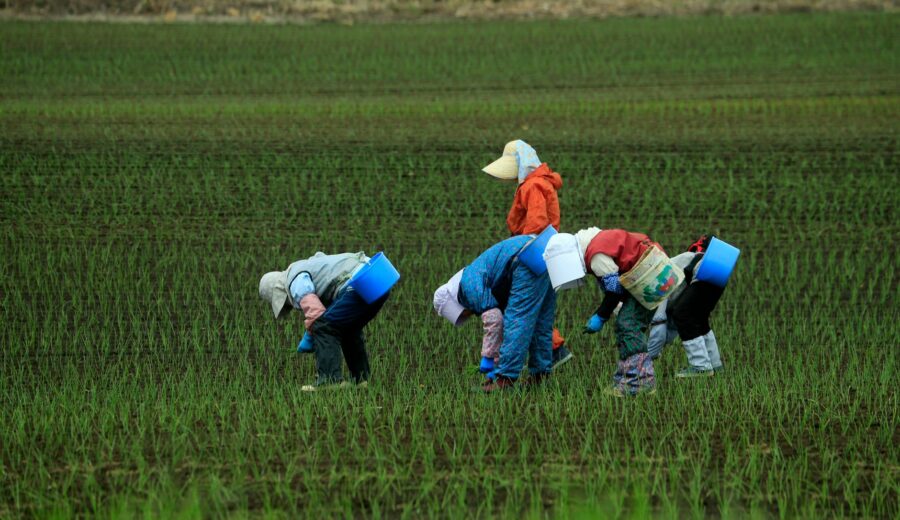
The use of H-2A visas has jumped over 500% since 2012, with nearly 400,000 issued in 2025, as farmers increasingly rely on the program to fill labor gaps. Despite this growth, employers, labor advocates, and both political parties agree that the program is far from perfect. The H-2A visa program provides workers, primarily from Mexico, for farms that need seasonal and temporary labor.
Dozens of farmers, including dairymen and fruit growers, and lobbying powerhouses like the American Farm Bureau Federation, recently advocated for their labor needs in Washington. At the center of discussions is a bill introduced by House Agriculture Committee Chairman Glenn “GT” Thompson that would expand access to the H-2A visa for seasonal agricultural labor. Thompson noted that the House Judiciary Committee must approve any bill related to immigration and visas.
H-2A Visa Expansion
The H-2A visa program has been in place since the 1980s, allowing agricultural employers to request foreign farmworkers on a temporary and seasonal basis. Florida is the top state for use of H-2A visas, followed by Georgia, California, Washington, and North Carolina. These states make up just over half of all H-2A visa certifications. However, growers are unhappy with the program’s provisions, such as wages that regularly increase and other costs, including responsibilities to pay for housing, transportation, and medical care for each worker.
Labor organizations and conservatives are skeptical of any program that expands the use of foreign labor. Labor groups have long criticized the H-2A program for the potential of workplace abuses, while conservatives take issue with any program that could grandfather in workers currently working in the U.S. illegally. Farmers argue that if the administration continues to push for mass deportations, they need a legal pathway to get workers, as an estimated half of all crop farmworkers are working without authorization.
The administration acknowledges challenges between strict immigration enforcement and farm labor supply. The Labor Department last year warned that increasing resources for immigration enforcement risks supply chain disruptions and food supply problems. The department’s warning highlights the need for a stable and lawful labor supply to support the agricultural industry.
Implications and Reactions
Farmers and other businesses warn of immediate consequences to their labor supply without expanding the program, given the administration’s deportations and continued record-low crossings at the southern border. The U.S. Chamber of Commerce cites a Congressional Budget Office report that predicts a drop in the working-age population, emphasizing the need to address the immigration system to support economic growth. “You can’t grow the economy with a shrinking workforce,” said Martin Durban, senior vice president of the U.S. Chamber of Commerce.
The debate surrounding the H-2A visa program expansion highlights the complex issues surrounding immigration and labor supply in the agricultural industry. As the program continues to grow, it is likely to remain a contentious issue, with significant implications for farmers, workers, and the broader economy. The outcome of this debate will have a lasting impact on the future of American agriculture and the country’s ability to feed its growing population.