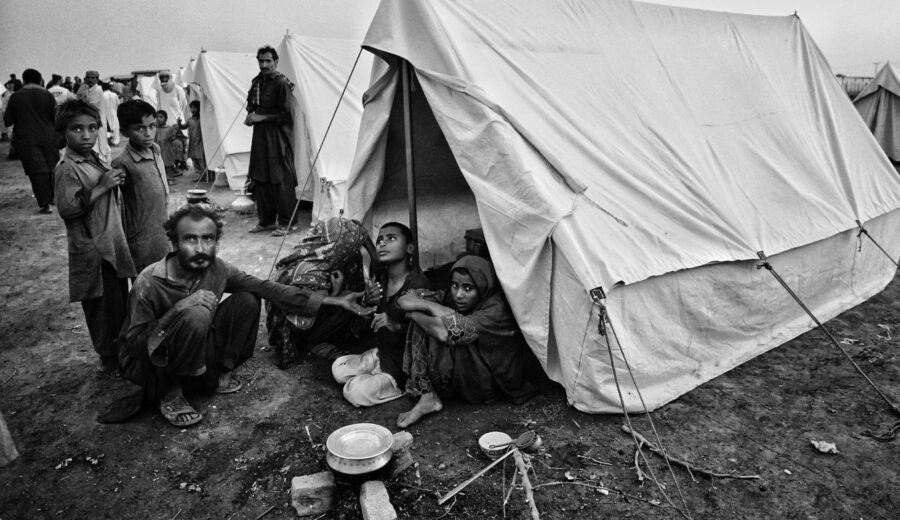
A devastating landslide struck a girls’ school in a refugee camp in Bangladesh, killing eight people, including seven students and a teacher. The disaster occurred on Wednesday afternoon in the coastal city of Cox’s Bazar, where over a million Rohingya refugees live in the world’s largest refugee settlement.
The school, an Islamic study centre, was buried under mud and debris, prompting a frantic search and rescue effort. Rescuers managed to pull 13 people from the mud, but eight of them died, according to the Refugee Relief and Repatriation Commissioner Mohammed Mizanur Rahman.
Bangladesh Landslides
The country has been battered by monsoon rains since Sunday, resulting in several deadly landslides in Cox’s Bazar. The poor living conditions in the refugee camp, with makeshift homes on steep hillsides, make the area prone to such disasters. Many of the refugees, who are primarily Muslim, face significant challenges in Bangladesh after fleeing a deadly military crackdown in Myanmar in 2017.
The Rohingya people, one of Myanmar’s many ethnic minorities, have been denied citizenship by the government of Myanmar, a Buddhist-majority country. Thousands of Rohingya were killed, and over 700,000 fled to neighboring Bangladesh during the 2017 crackdown. The refugee camp in Cox’s Bazar is now facing a new threat, with more rain forecast for the coming days and authorities warning of more landslides and floods.
Humanitarian Crisis
The international community is concerned about the humanitarian crisis unfolding in Bangladesh, with the Rohingya refugees facing significant challenges in terms of food, shelter, and healthcare. The recent landslides have exacerbated the situation, with many families being evacuated from high-risk areas. The authorities are working to provide aid and assistance to those affected, but the situation remains dire.
The disaster serves as a reminder of the vulnerability of the Rohingya refugees and the need for a long-term solution to their plight. As the international community continues to grapple with the crisis, it is clear that more needs to be done to address the root causes of the problem and provide a safe and sustainable future for the Rohingya people.