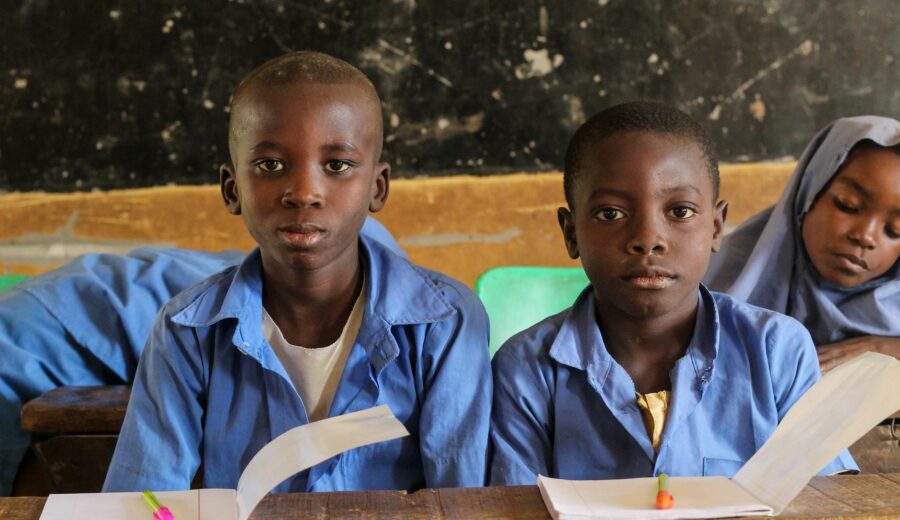
More than 2,000 rural schools in Kenya are facing possible closure due to plummeting enrollment numbers, leaving thousands of children without access to education. In southern Kenya, Kaliluni Primary School, which once had over 200 students, now has only five pupils, and on some days, none show up. The school’s empty classrooms and broken doors are a stark reminder of the crisis affecting rural education in the country.
The mass school closures are a result of a new education system introduced in 2017, known as Competency-Based Education (CBE), which has put a strain on under-resourced primary schools. The CBE curriculum requires more classrooms, science laboratories, and specialized teachers, which many rural schools cannot provide. As a result, parents are transferring their children to better-equipped schools, often at a great distance, leaving the rural schools with few or no students.
Rural Education in Crisis
The situation is dire, with many schools in Kitui county, where Kaliluni Primary is located, already closed. Sooma Primary School and Manooni Primary School shut down in 2023 and 2024, respectively, due to low enrollment numbers. The closures have left teachers frustrated and parents concerned about the quality of education their children will receive. Mark Kasyoki, an education expert, warns that the new curriculum, designed to address inequality in education, may have the opposite effect if the infrastructure gaps are not urgently addressed.
The impact of the school closures is not limited to the education sector; it also affects the local community. With fewer children attending school, the population of rural areas is dwindling, and the economy is suffering. Sarah Mumbua, a resident of Kilukuya village, notes that young people are moving away in search of better job opportunities, leaving behind a dwindling population of children.
A Way Forward
The Kenyan government must find a solution to the crisis affecting rural education. Tabitha Katingu, a mother from the area, emphasizes that the CBE curriculum should strengthen schools, especially for low-income communities, not weaken them. Education experts and officials must work together to provide the necessary resources and support to rural schools to ensure that all children have access to quality education, regardless of their location.
The situation in rural Kenya serves as a reminder of the challenges faced by many countries in providing quality education to all citizens, particularly in rural areas. As the world strives to achieve universal access to education, the crisis in rural Kenya highlights the need for governments and educators to work together to address the unique challenges faced by rural communities and ensure that all children have the opportunity to succeed.


